Photography

R. Taylor Robinson

Israel Gonzalez

Israel Gonzalez lives on the street after serving more than ten years in a federal penitentiary. Now he's on his way to getting an apartment and has big dreams, like becoming a neurologist.
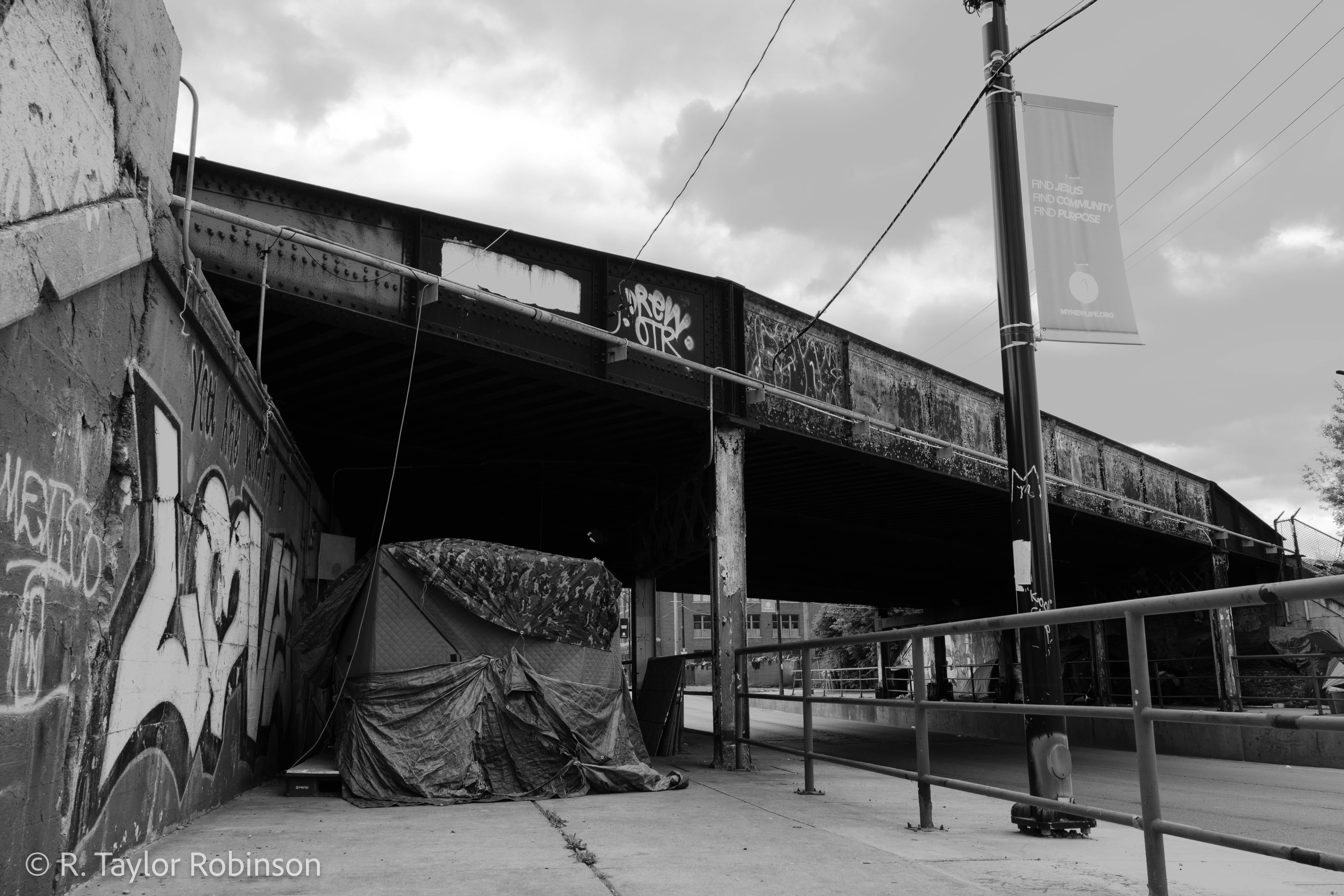
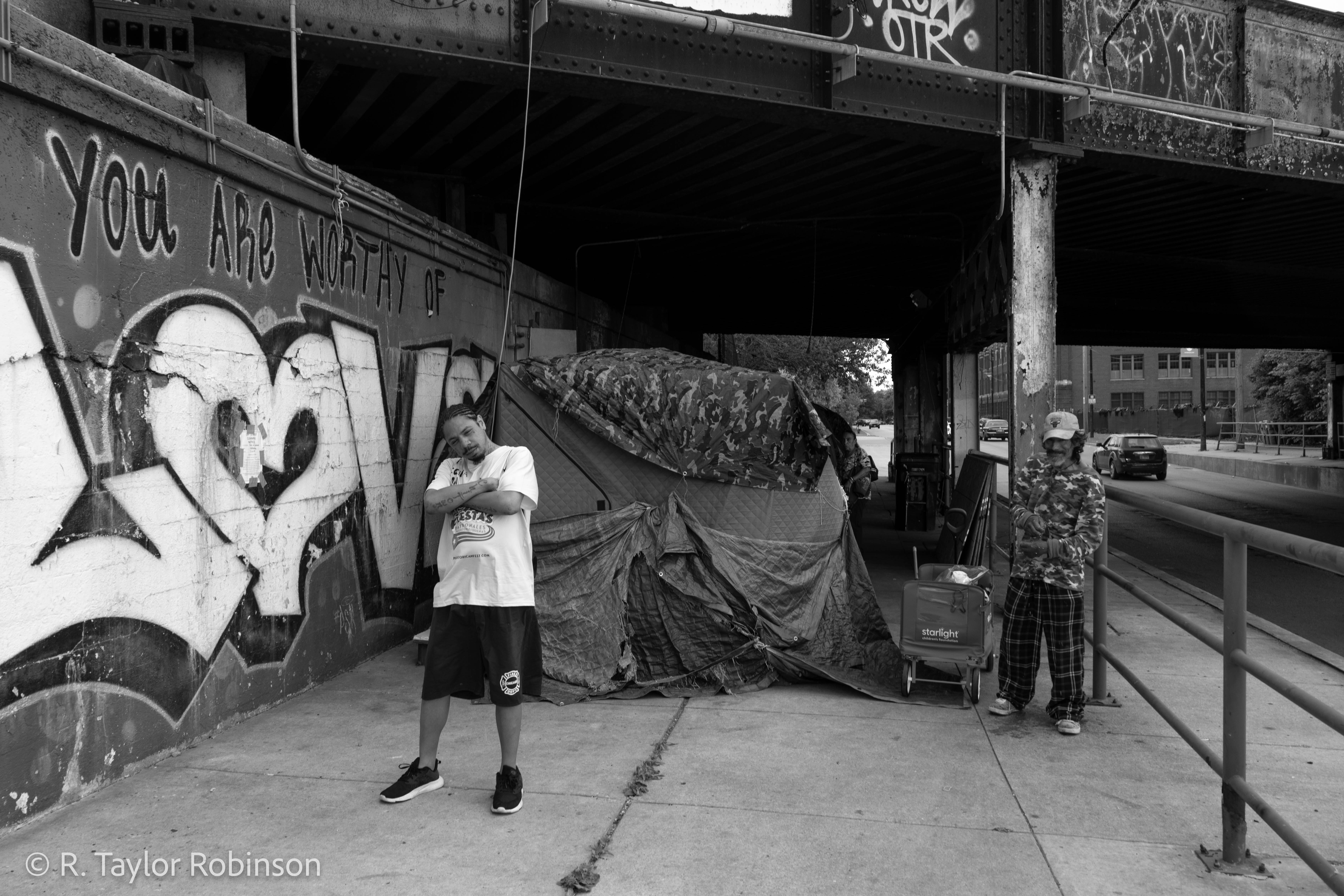
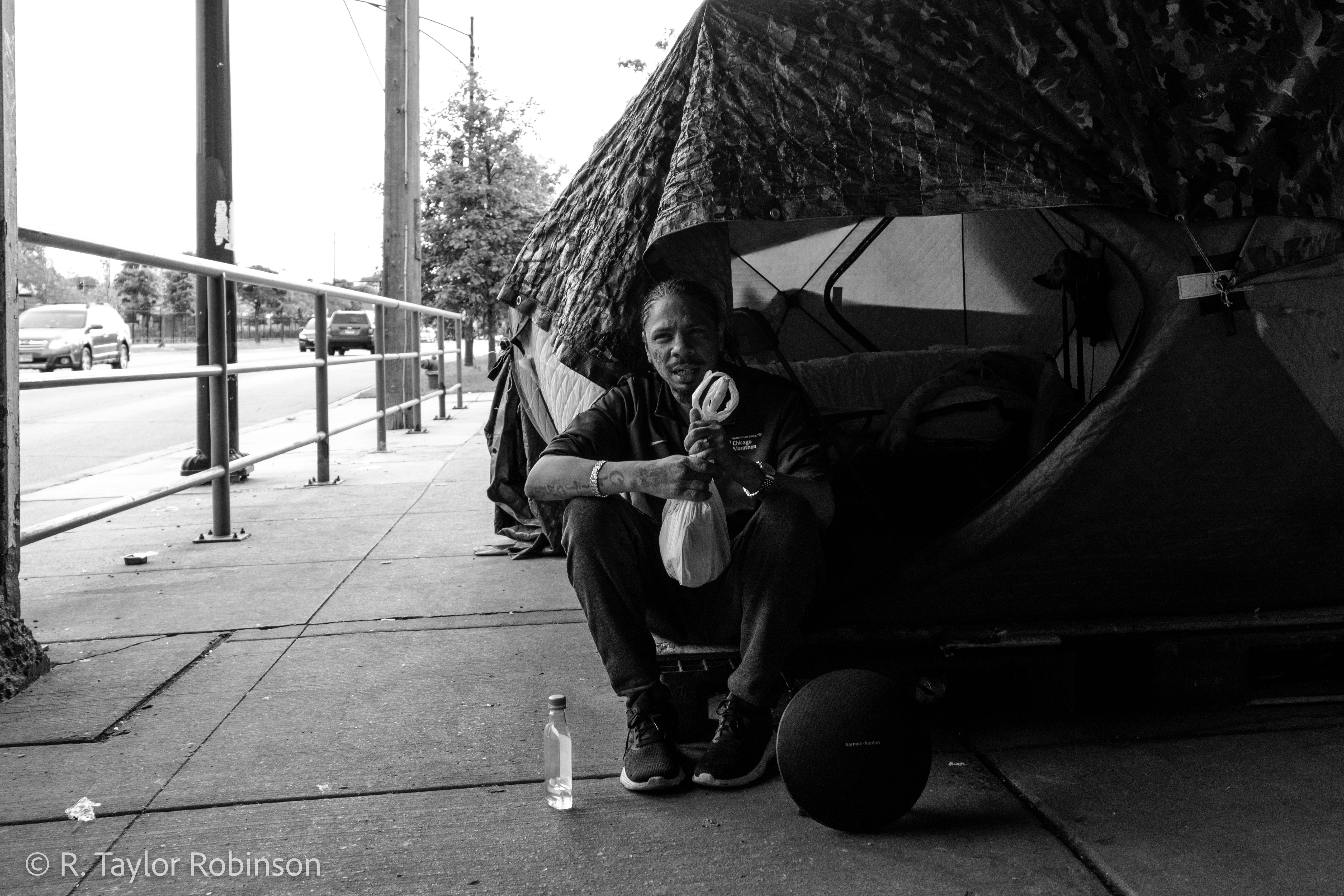
May 19, on W Division St., just a block from the New Life Covenant Church, sits the bright red tent of Israel Gonzalez, 34, just under the train tracks, where he has lived for a year and a half after serving 121 months in a federal penitentiary. A mural on the wall above reads "YOU ARE WORTHY OF LOVE."
Gonzalez (left) poses on a hot and humid Tuesday outside of his tent next to Paco (right), who said his real name is Lenin "like the communist." Gonzalez said the tent is retractable so it stays "kinda warm" in the winter, but he needs to get a heater. To get by, he does Doordash and Uber Eats on his bicycle, but the bike was stolen three days before.
More than 11 years ago, Gonzalez got caught with 305 grams of D-Methamphetamine, $325,000 in cash, three AR-15’s, and a bulletproof vest in Quincy, Illinois. Now he is on state probation, meaning he has to complete drug and alcohol training and do 30 hours of community service. "I did a lot of bad things back then, but, you know, I made it out," Gonzalez said.
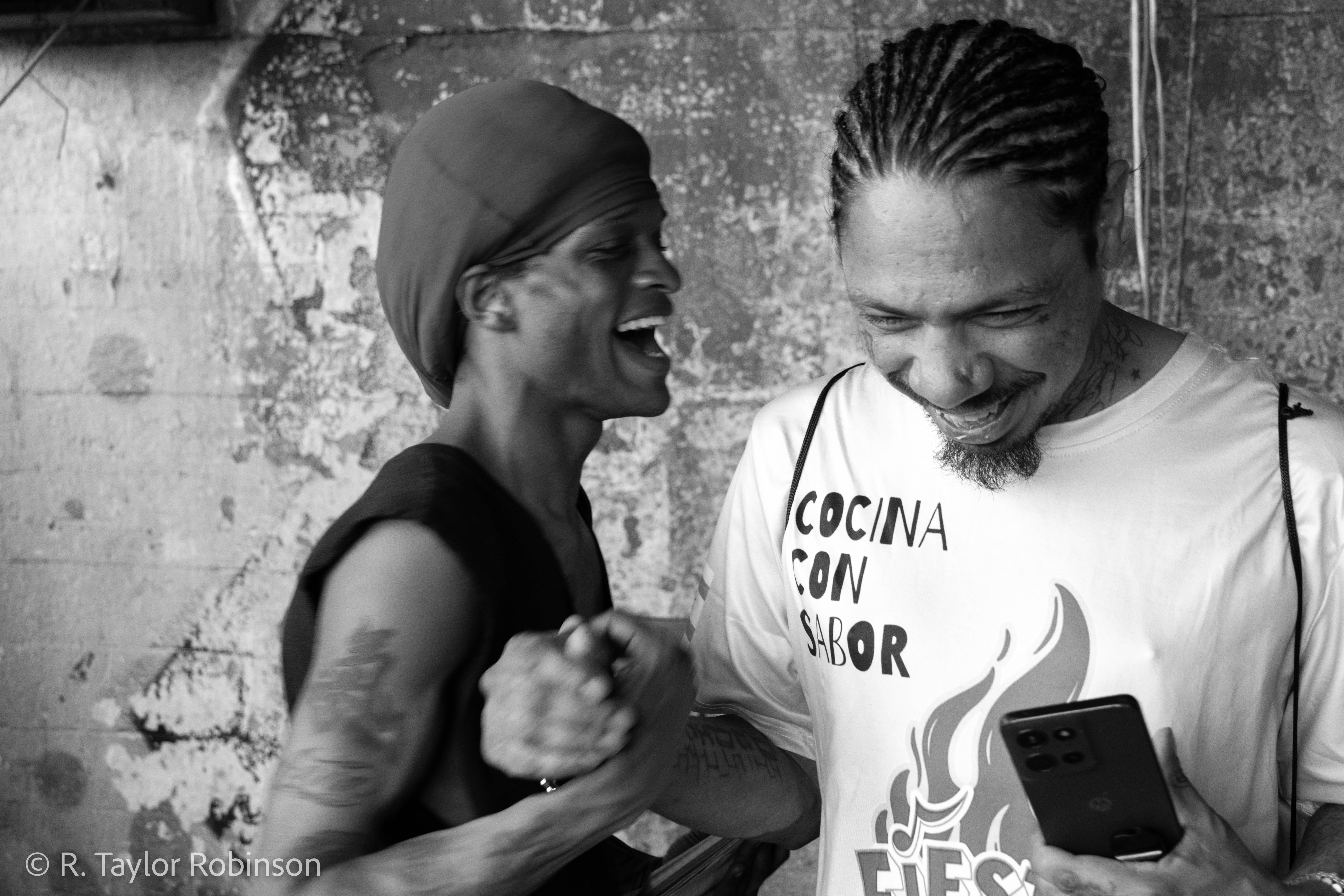
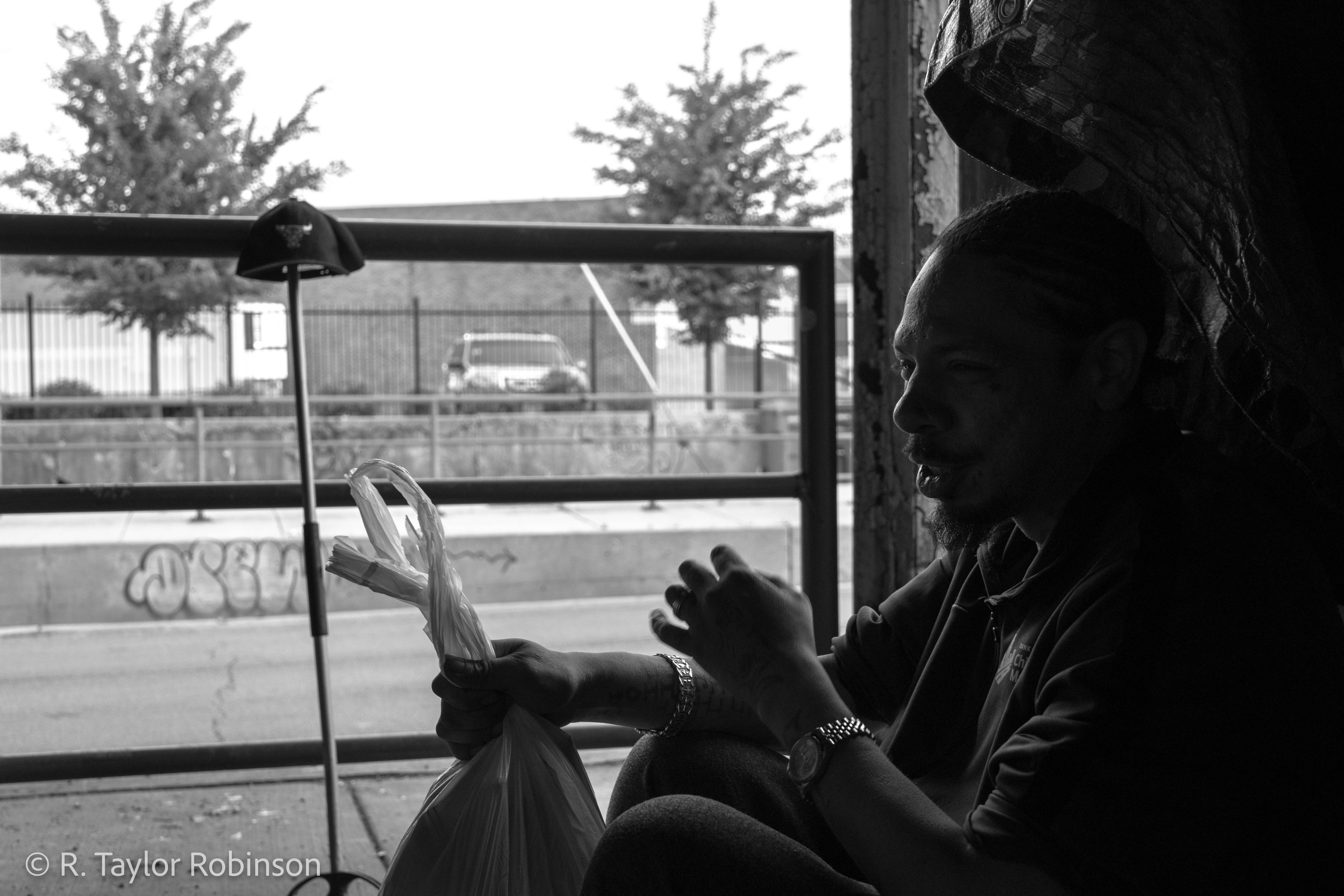
Gonzalez greets his friend Jene’Bele, who’s a musician and performer with his own Youtube channel (@JeneBele) where he posts videos of his performances. Gonzalez suffers from anxiety and epilepsy and has been three days without his medication which was stolen along with his bike. "That’s why I try to stay around people, just in case something happens," he said and then pointed to his broken tooth. "Because, when I’m by myself – that’s how this happened."
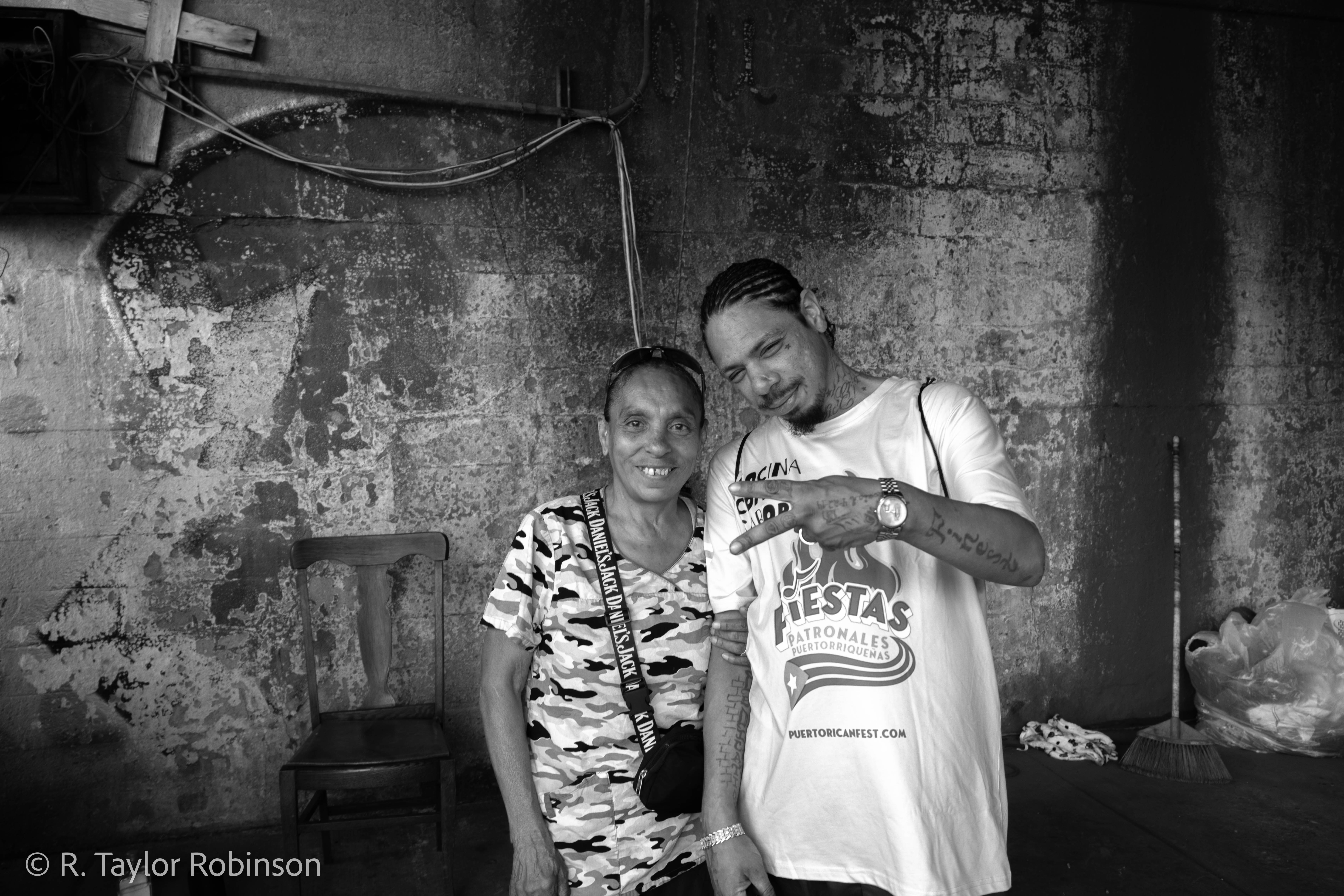
Gonzalez poses with his long-time friend Maria, 70, who lives in a house just up the way and went to the same high school as him when she was in school. Gonzalez said he wants to be a neurologist and find a cure for epilepsy. "When I went to Malcolm X college I was studying chemistry and biology, but they said if I wanted to become a neurologist I had to get an MD," Gonzalez said. "My GPA was 3.9 and I was taking all the tough classes."
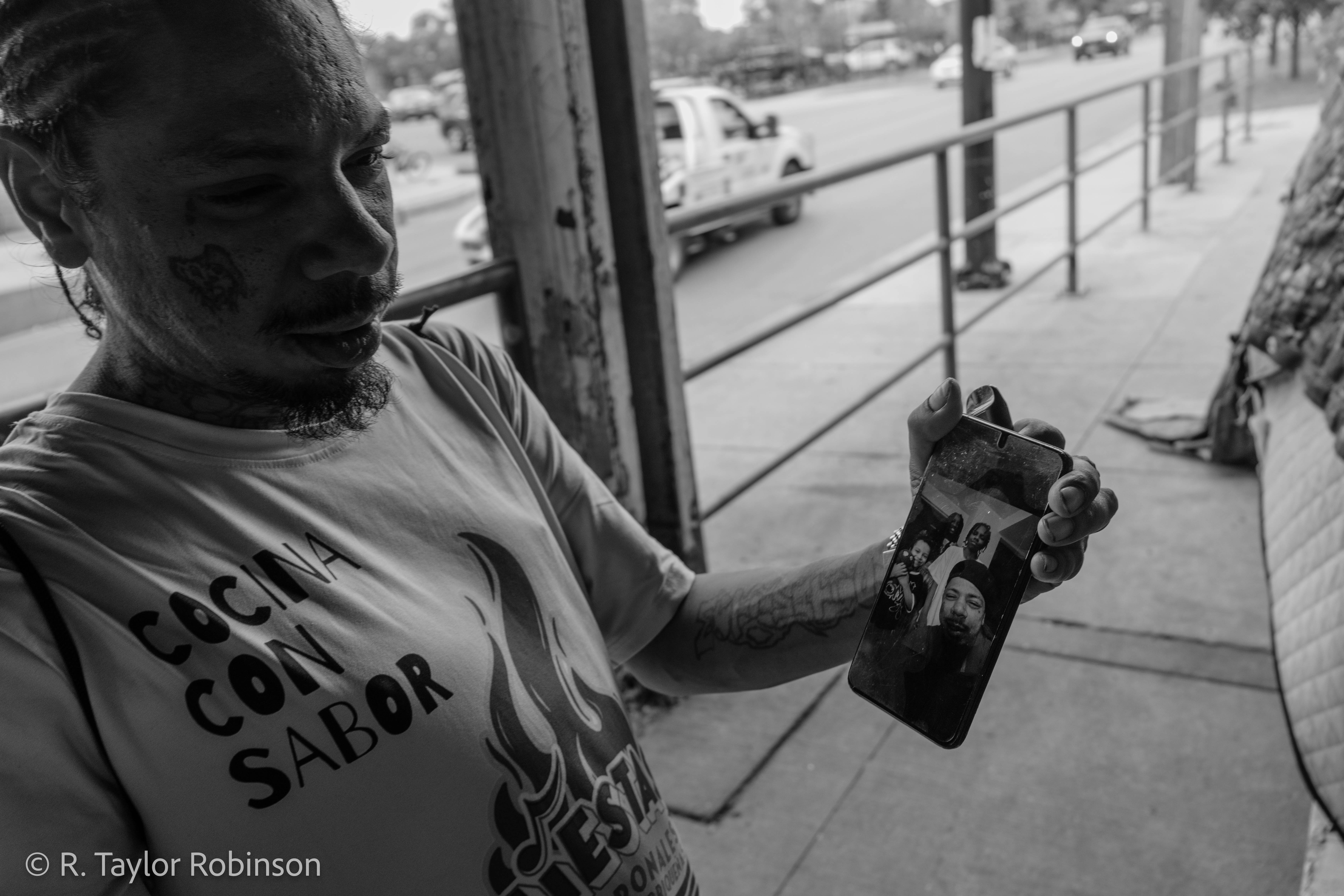
Gonzalez shows a photo of his son, daughter and stepson on his phone.
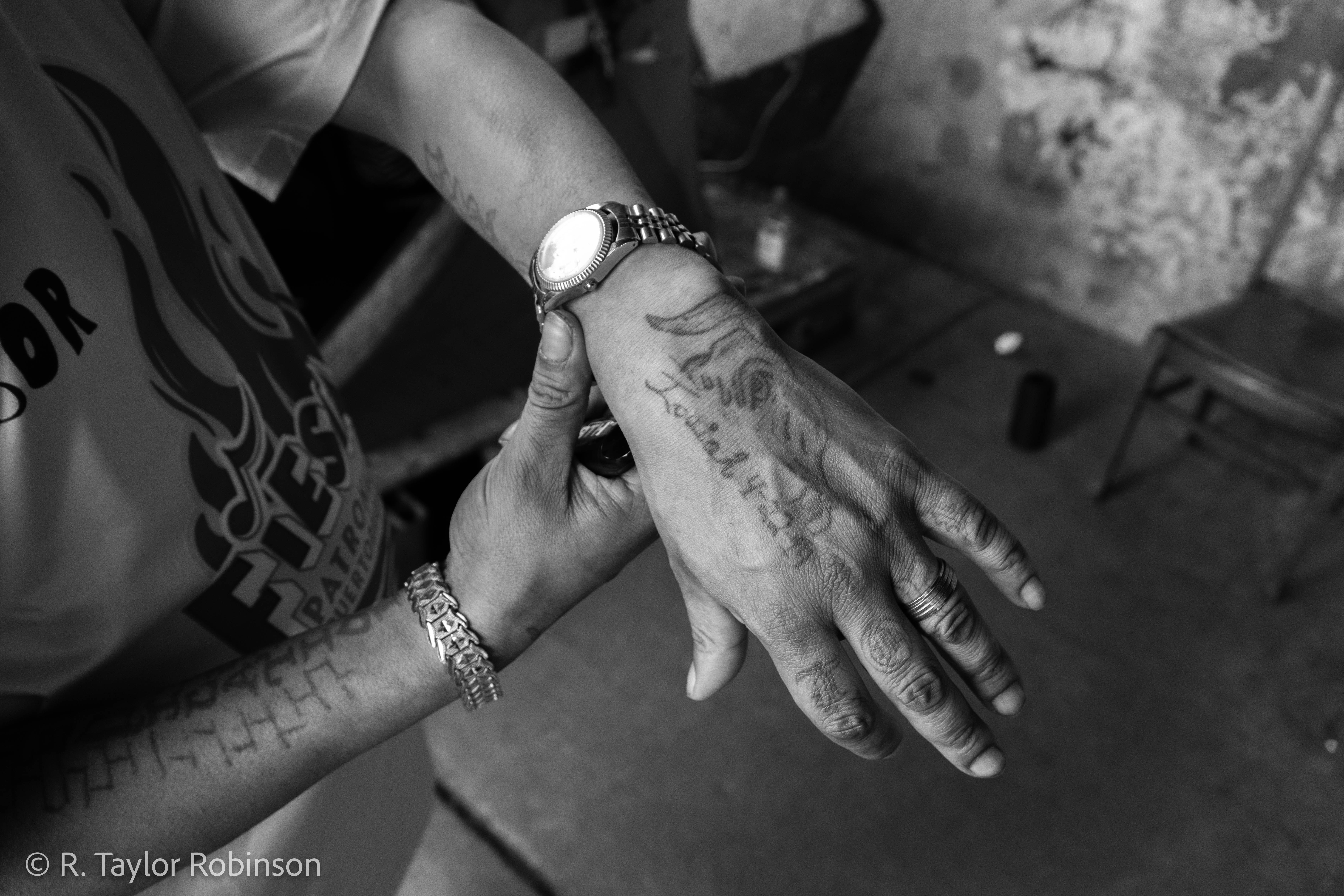
Gonzalez shows his hand tattoo of his son’s name, birthday and star sign (Taurus). He has the same tattoo for his daughter on his other hand. He just saw the two of them and his stepson the week before and gave them birthday presents: $200 to his son, $100 to his daughter and $50 to his stepson.
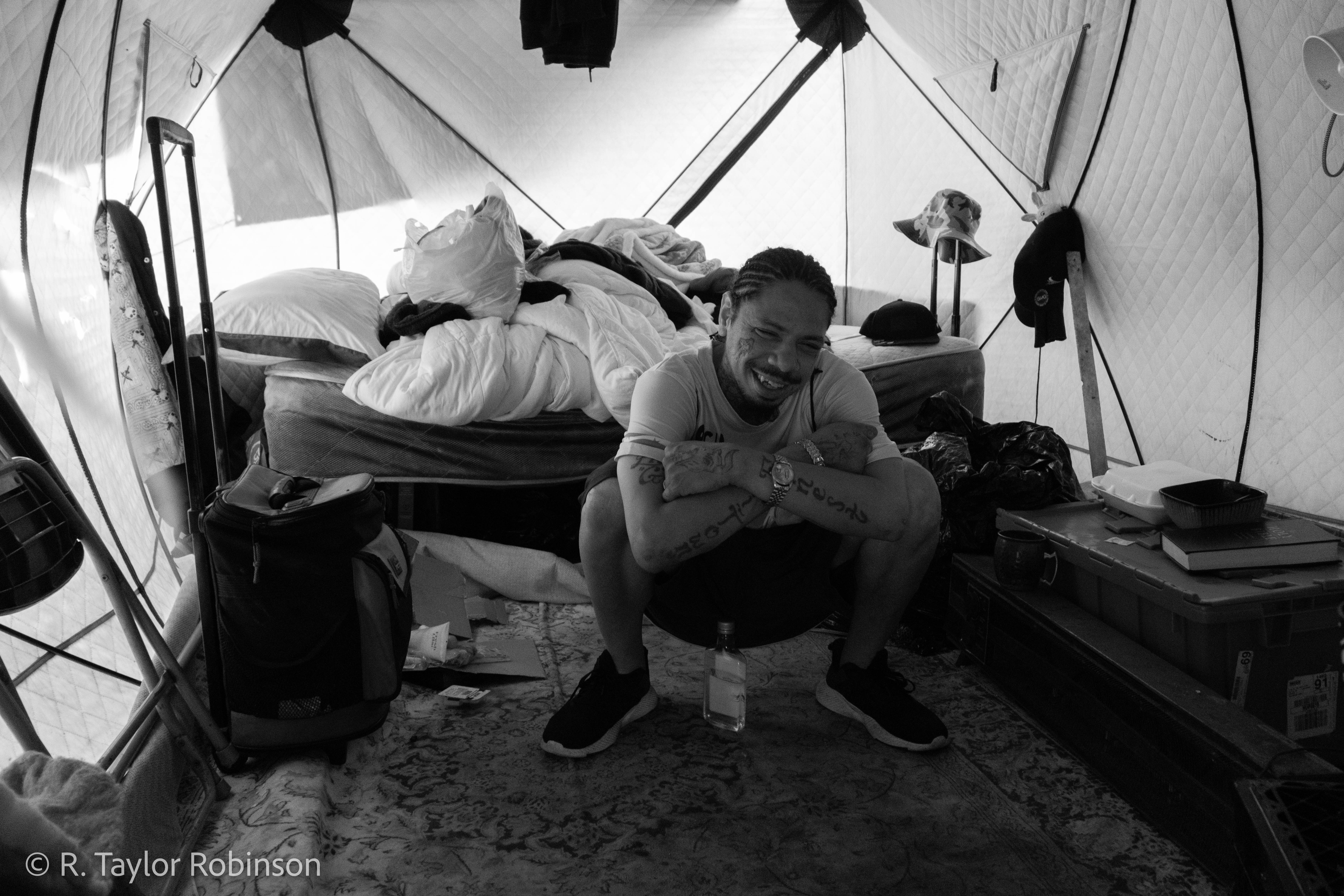
Gonzalez poses inside of his tent, which has a rug stretched out on the floor under his bed, a few miscellaneous containers, a microwave and a fridge. In 2021, when he was still in prison, he said he had a young roommate about 18 years old with multiple life sentences, the kid would rock in bed every night. He was scared at first, not knowing why the kid was rocking, until, according to Gonzalez, one day the kid turned to him and said, "would you pray with me? I didn't do that crime. I was with somebody that did it."
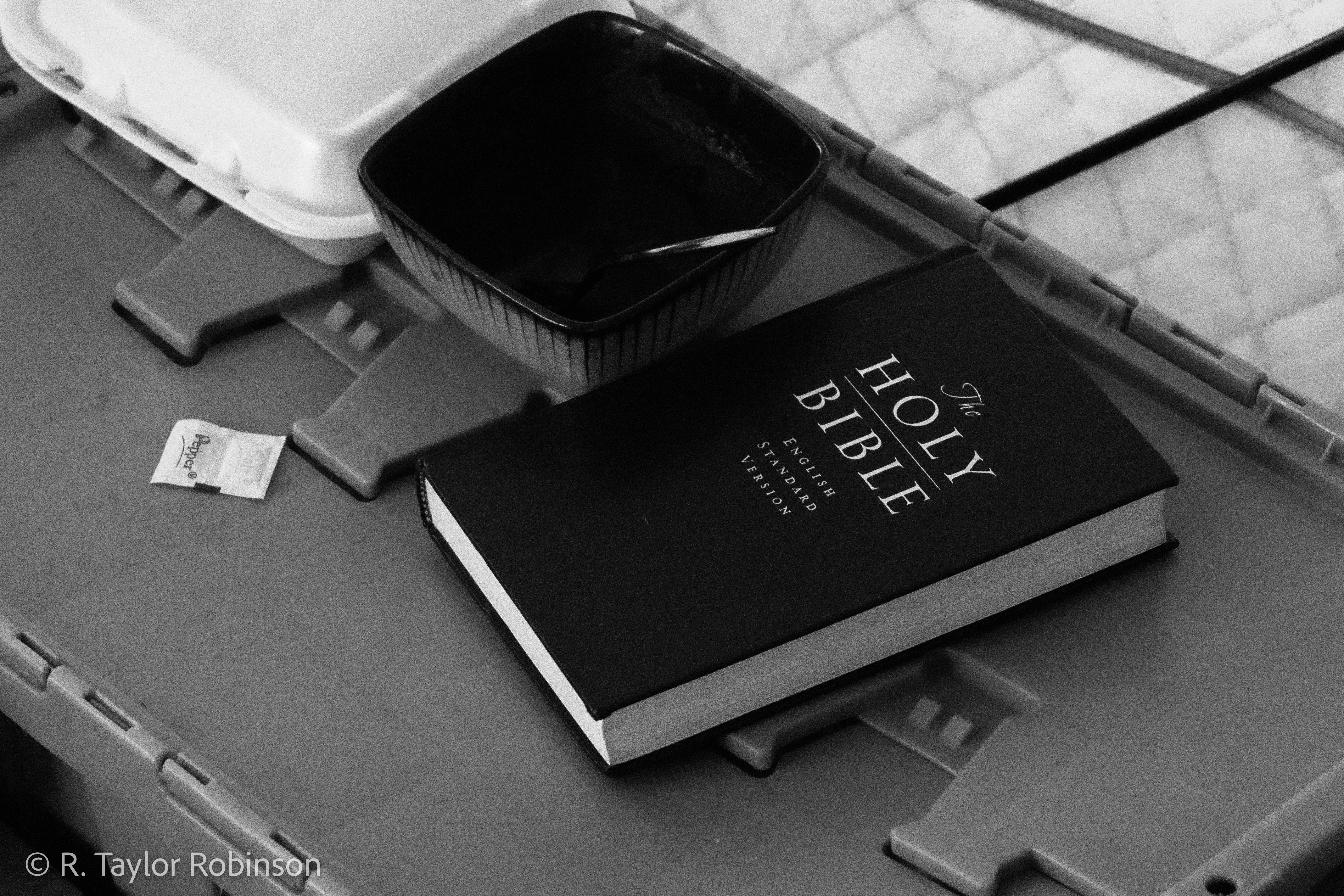
A bible, which Gonzalez said he reads every day, sits on top of a container on the right side of the tent. "I used to pray with him every night, and come to find out he didn't know how to write that well, so I wrote his paperwork out," Gonzalez said about helping him file his appeal. The kid got out.
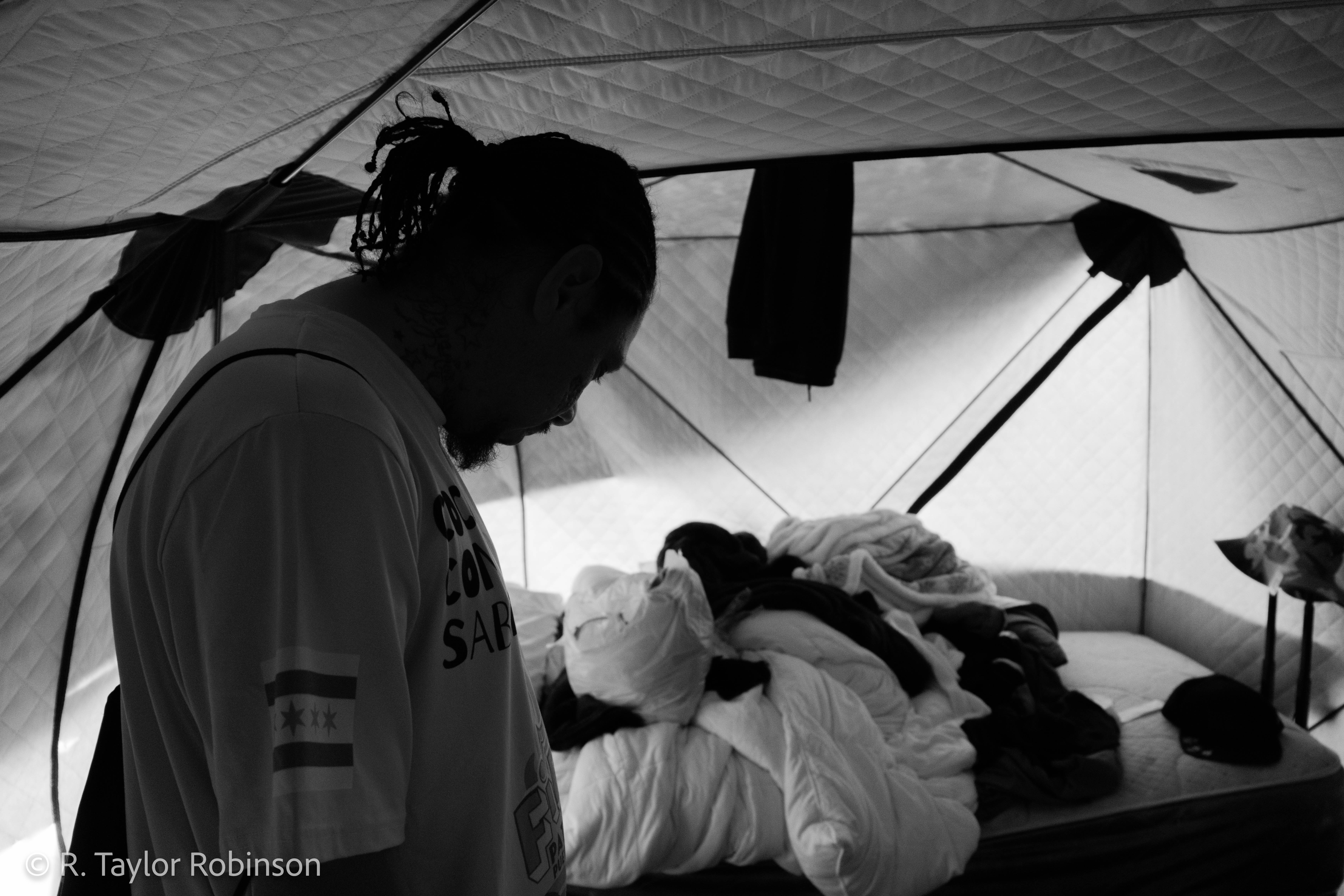
Gonzalez looks around the room. He said he was in the process of cleaning up.
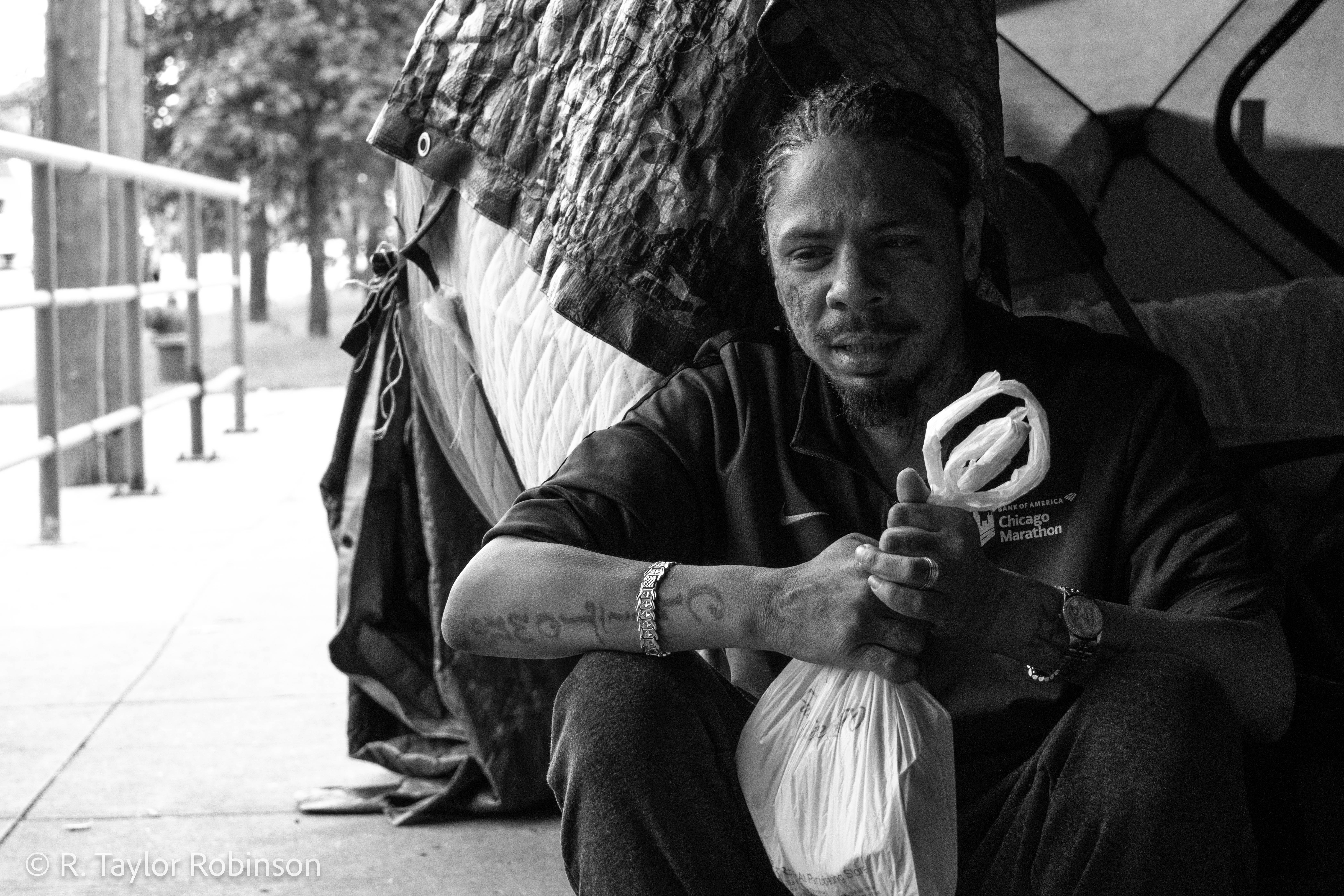
Thursday, May 21, Gonzalez, having just come back from meeting with his case worker on the South Side, sits on the edge of the wooden base supporting his tent. It’s a colder day than Tuesday and the wind is blowing. As an ambulance zooms past, its blaring siren resonating in the space under the bridge, Gonzalez puts his head down and covers his ears hard. "It’s all day everyday," he said with a strained look on his face.
Gonzalez sits in front of his tent.
Gonzalez sits next to his speaker, waiting for it to charge. He just got the news today from his case manager, tomorrow he’s going on a walk-through of his new apartment. "I’ve never had one," he said.

Mustapha Kamal

Mustapha Kamal fled persecution in Myanmar and now helps refugees in Chicago the same way he had been helped when he arrived.
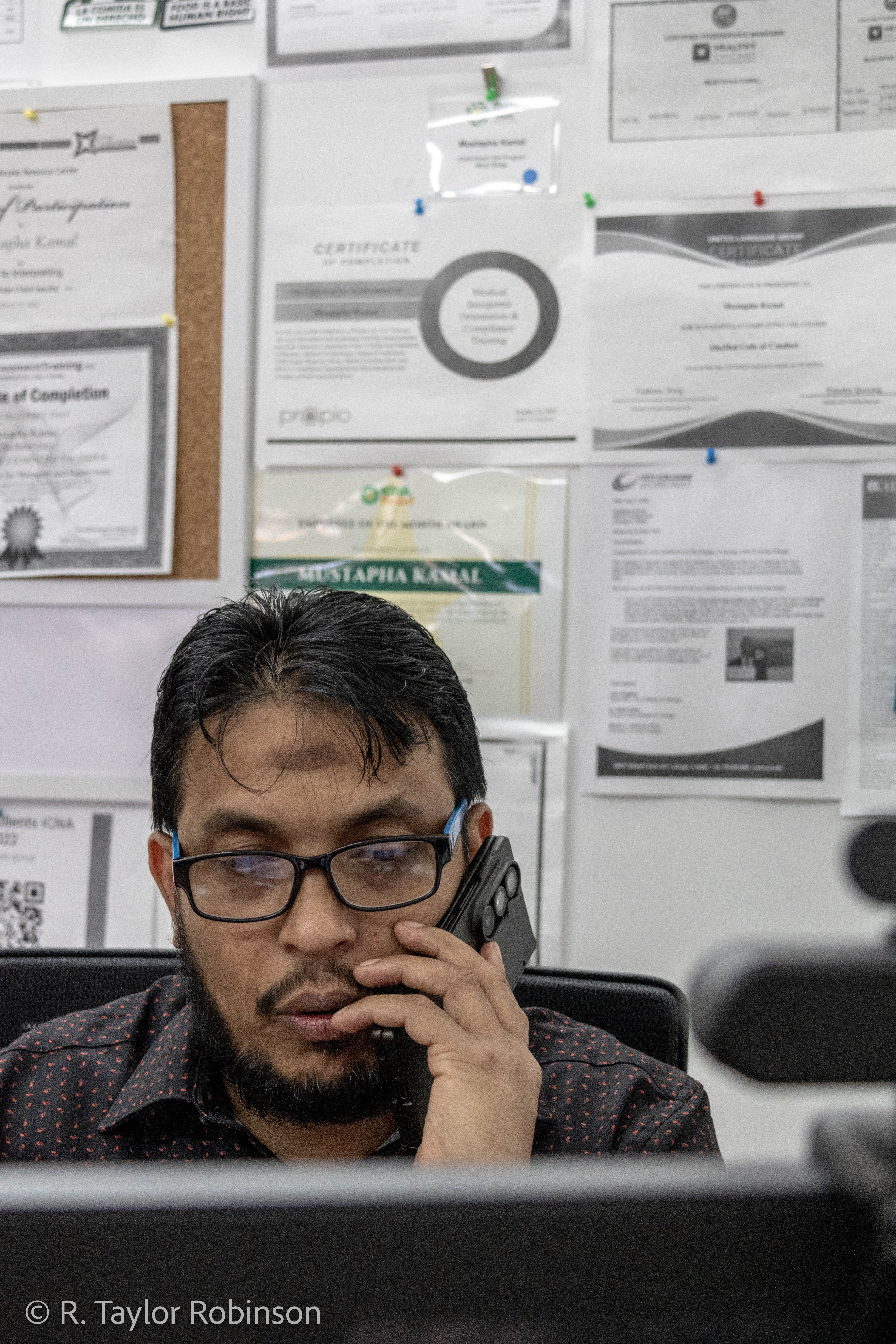
Mustapha Kamal talks on the phone at his desk at the Islamic Circle of North America, a non-profit and food pantry in Rogers Park that provides social services to refugees and immigrants. Kamal is a case worker and the director and only staff member of the resettlement agency for the Chicago chapter. "19 families have already settled in last three, four months," he said. He said he helps with "finding an apartment for them, helping them find any job, go to airport and pick them up, providing the food, connect to the resources, taking to the doctor office for refugees."
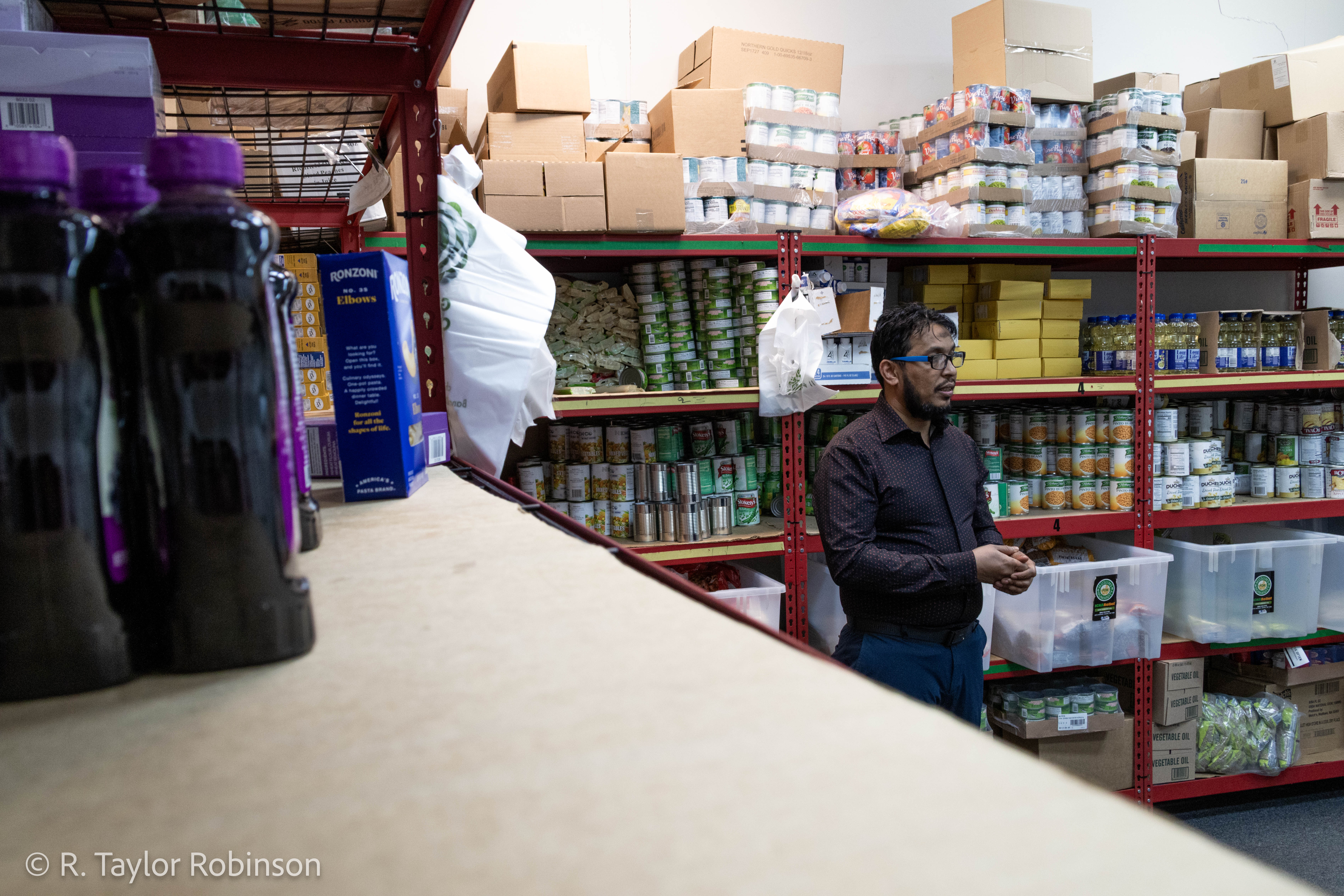
Kamal stands in the food pantry, where he initially started working when he first joined ICNA. Kamal originally comes from Myanmar and is Rohingya, a persecuted minority ethnic group in the country, when he was 17 he saw his family killed and siblings burned alive along with 4,000 houses in his neighborhood. "I was studying (by) myself. I'm reading the book in the dining room, and my dad was screaming," Kamal said. "I went in there, by the time I go there my dad got shot … My mom is screaming, 'go away, go away, go away.’ My mom doesn't let me go inside, and then when I escape, my mom also got shot."
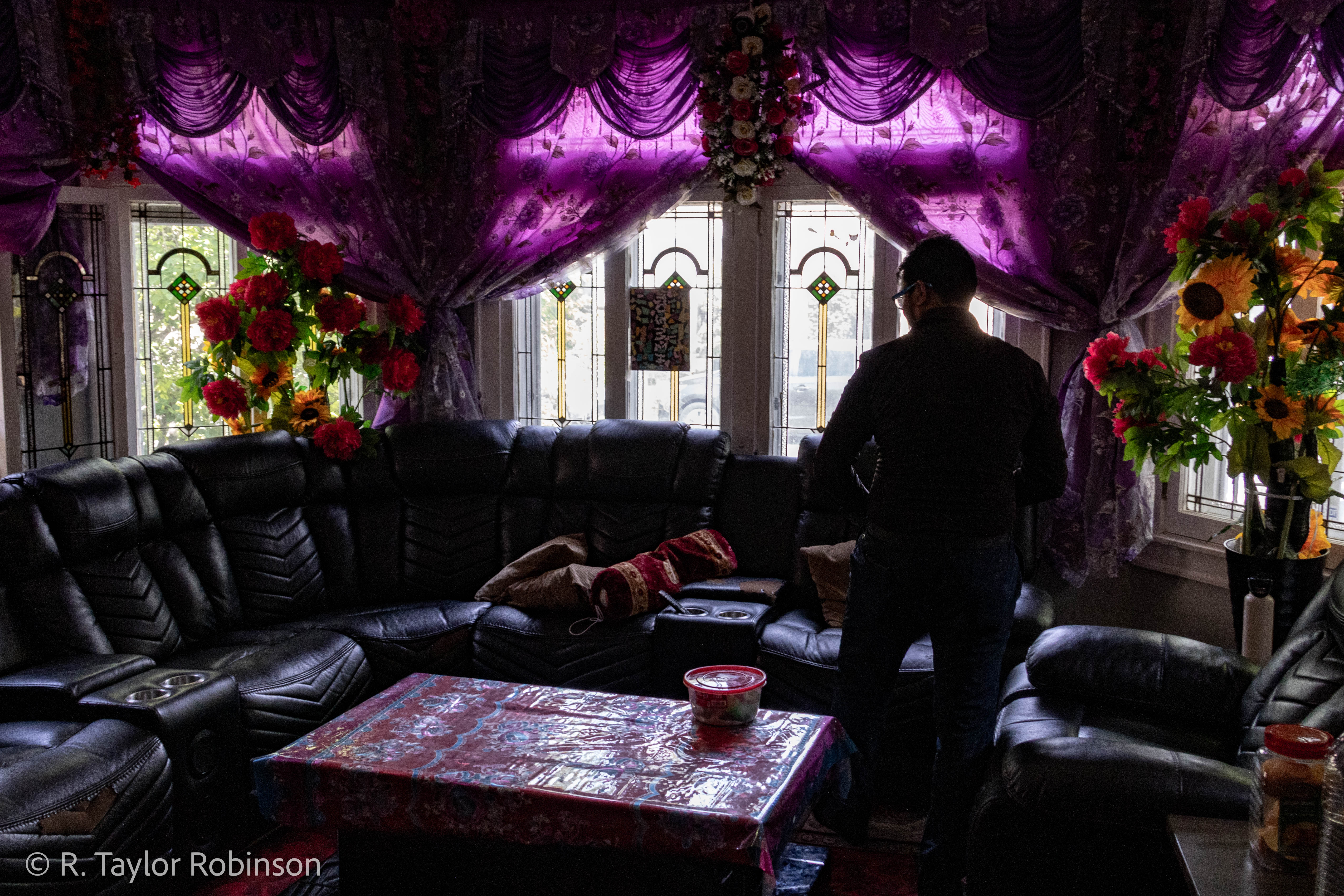
Kamal prepares to take a seat in the living room of the house he owns. He bought it during COVID at an incredibly low interest rate, a fact he is very proud of. After escaping from his pursuers into the jungle and hiding in a bush he was discovered a day and a half later by his uncle. "When he found me, he decided to say, ‘you know what, let's cross to Bangladesh, there's no way to return home,’" Kamal said. "And I went with my uncle, crossed to Bangladesh."
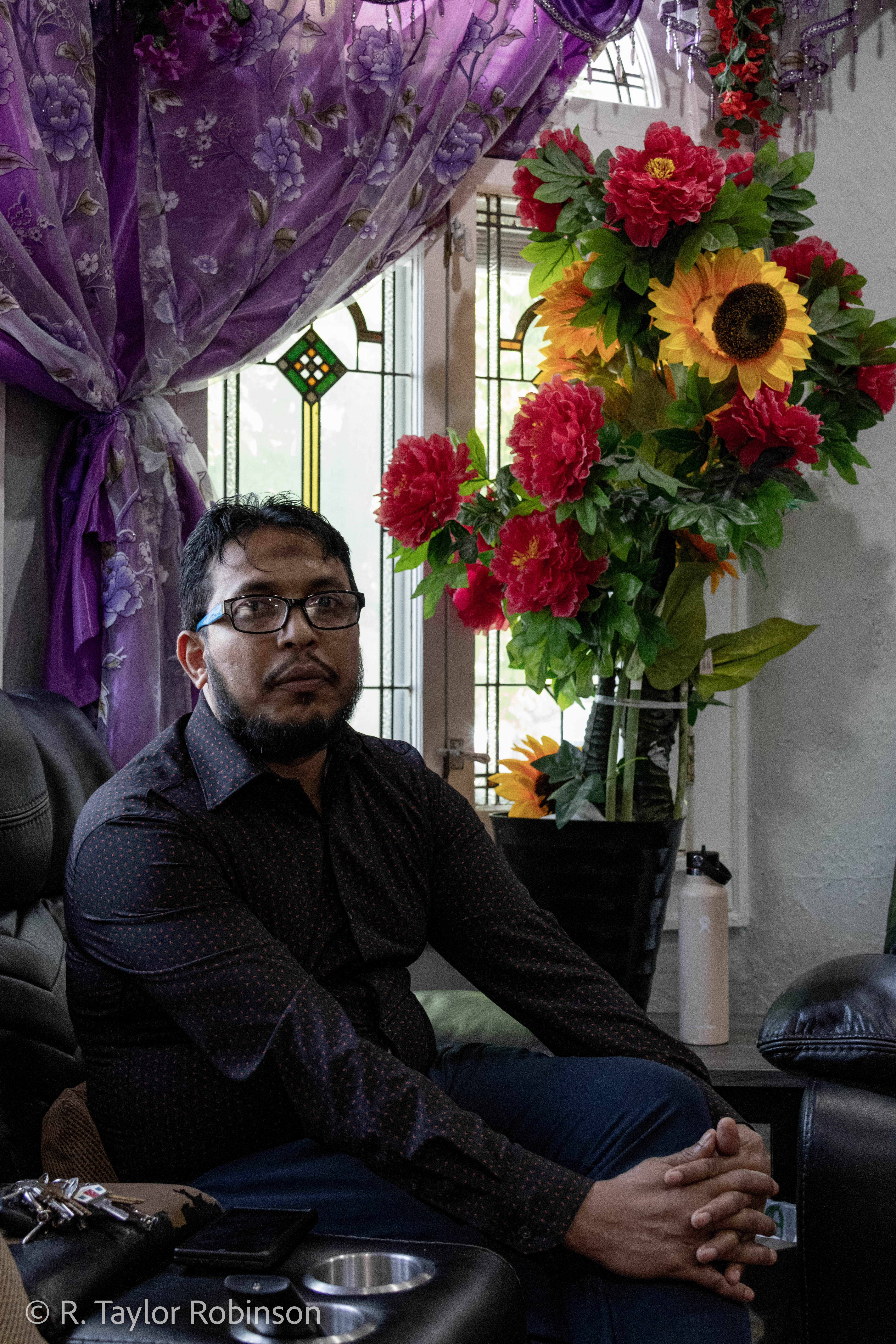
Kamal sits on his couch in front of the elaborate display of brightly colored flowers and purple curtains, decorations that, according to him, his wife brings home seemingly every time she goes out of the house. After two years in Bangladesh he decided he needed to leave and make money for his family so he got on a boat along with 90 other passengers headed illegally to Malaysia, where he had been promised higher wages by his friend. "Somehow the captain, he lost the way," he said. "And then we were floating in the sea for 27 days, and without food and water. Out of 91, almost 31 people dead."
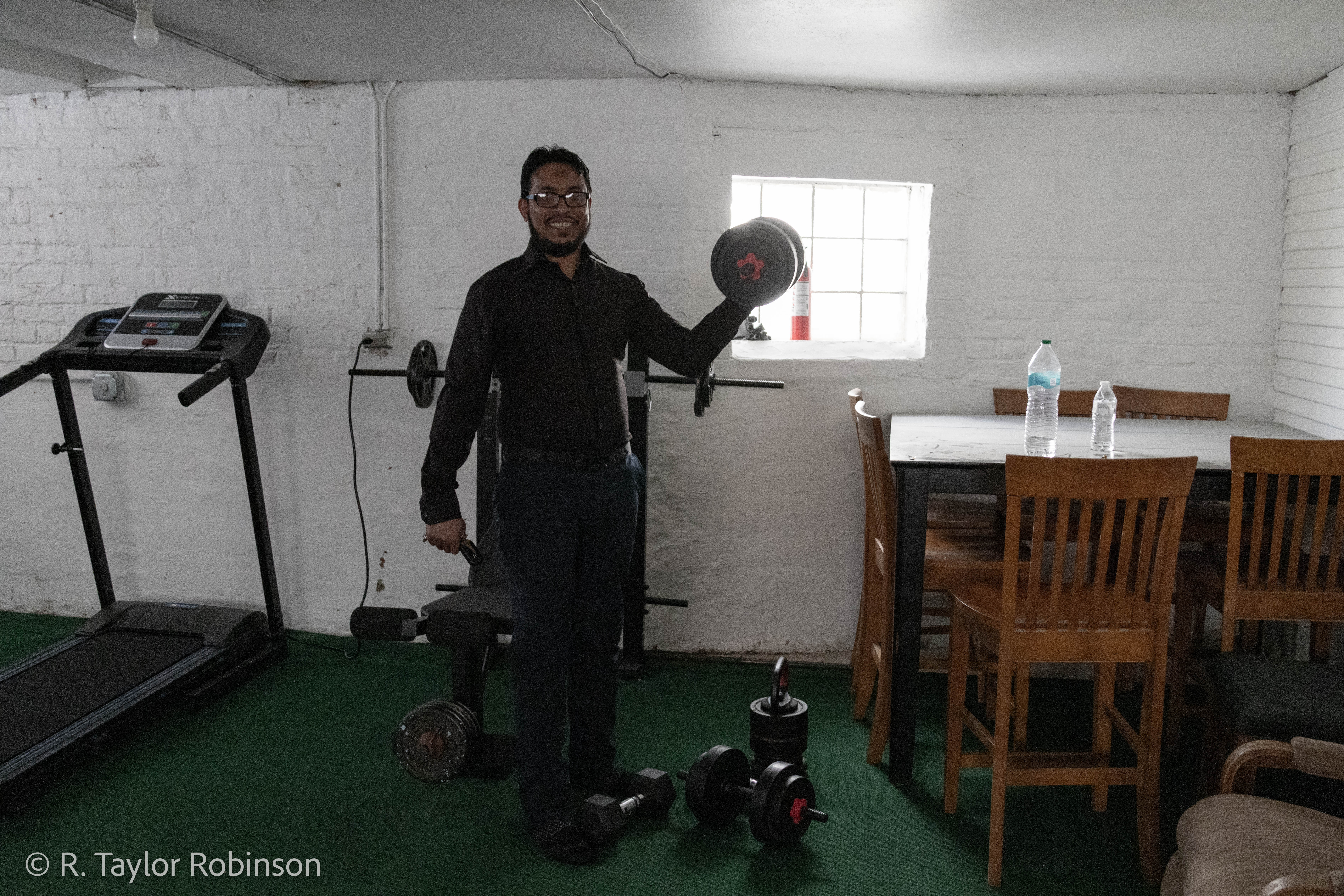
Kamal shows off his at-home gym in his basement, he said he only pays $1,400 a month for his mortgage on the three story home, which is conveniently located only a few blocks from ICNA and across the street from his kids’ school. He said school in Myanmar costs money, there are no free public schools and his father had to save up and sell cattle to make sure Kamal was able to graduate. If he stayed in Bangladesh he said he would have to work manual labor jobs, out of respect for his father’s effort to educate him he decided to embark for Malaysia.
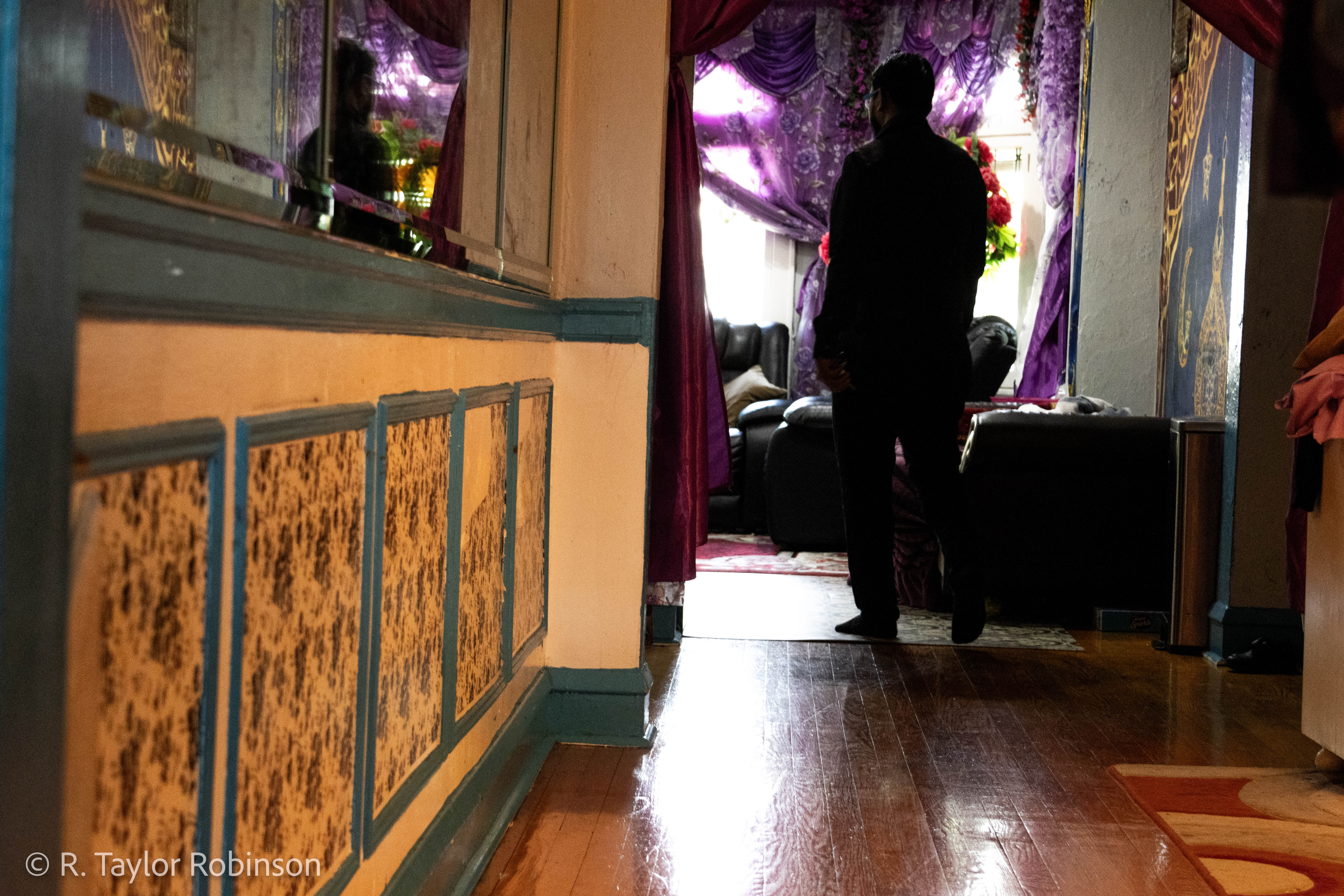
Kamal walks through the upstairs hallway back to the living room, his kids will be arriving back from school soon. After 27 days lost at sea with no fuel, a great wind blew them into Sri Lankan waters where they were eventually picked up by the navy.
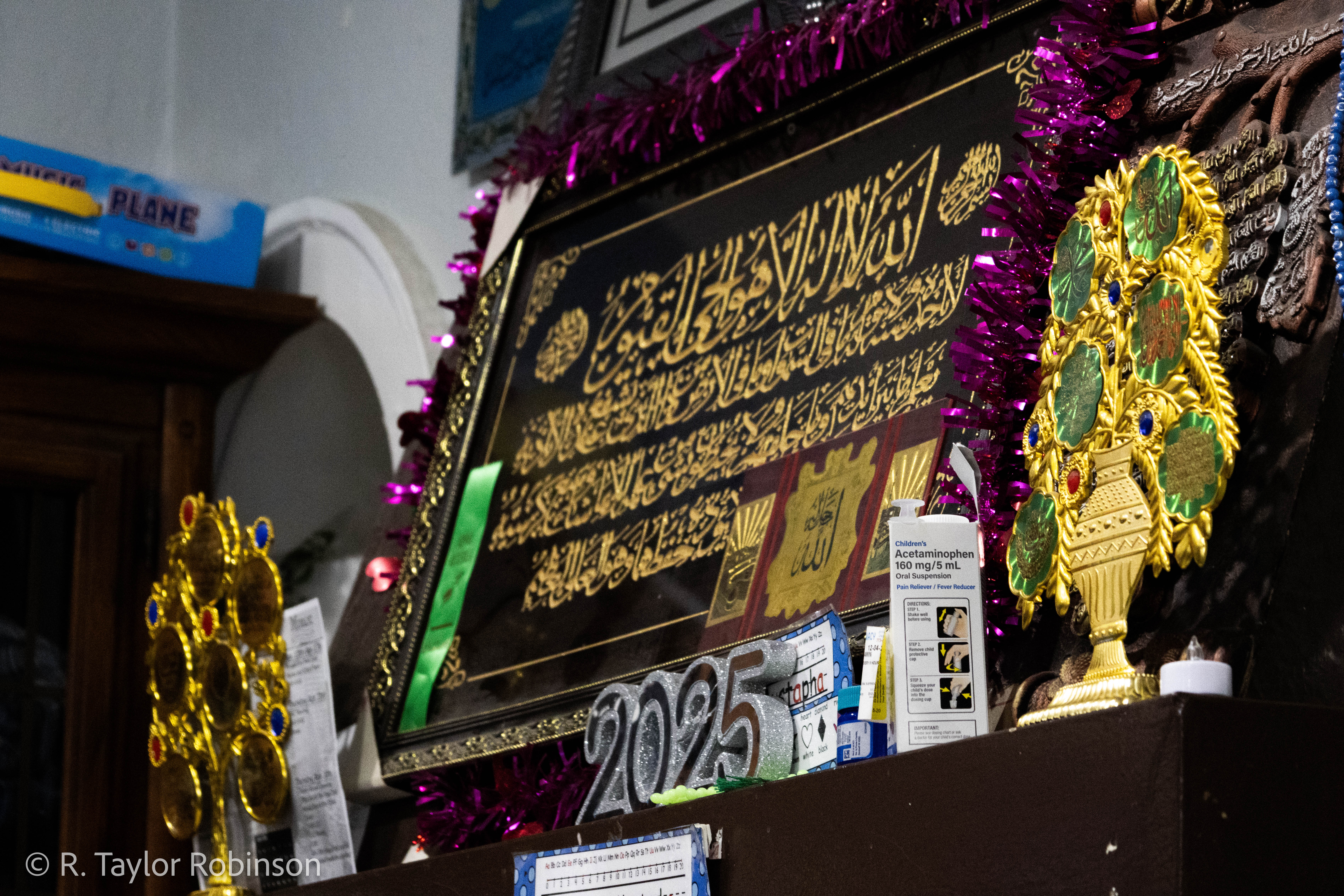
Islamic calligraphy, the box for a bottle of acetaminophen, tinsel, artificial candles and a plastic ‘2025’ adorn the mantle. During his stay in the deportation center, he decided to learn Sri Lankan by asking the officer the meanings of words using English as a shared language. "Every night I have to memorize at least 20 words," he said. "That's the only job I have. I have nothing to do there, you know. And I took notes–two months later I speak very fluent their language." He laughs.
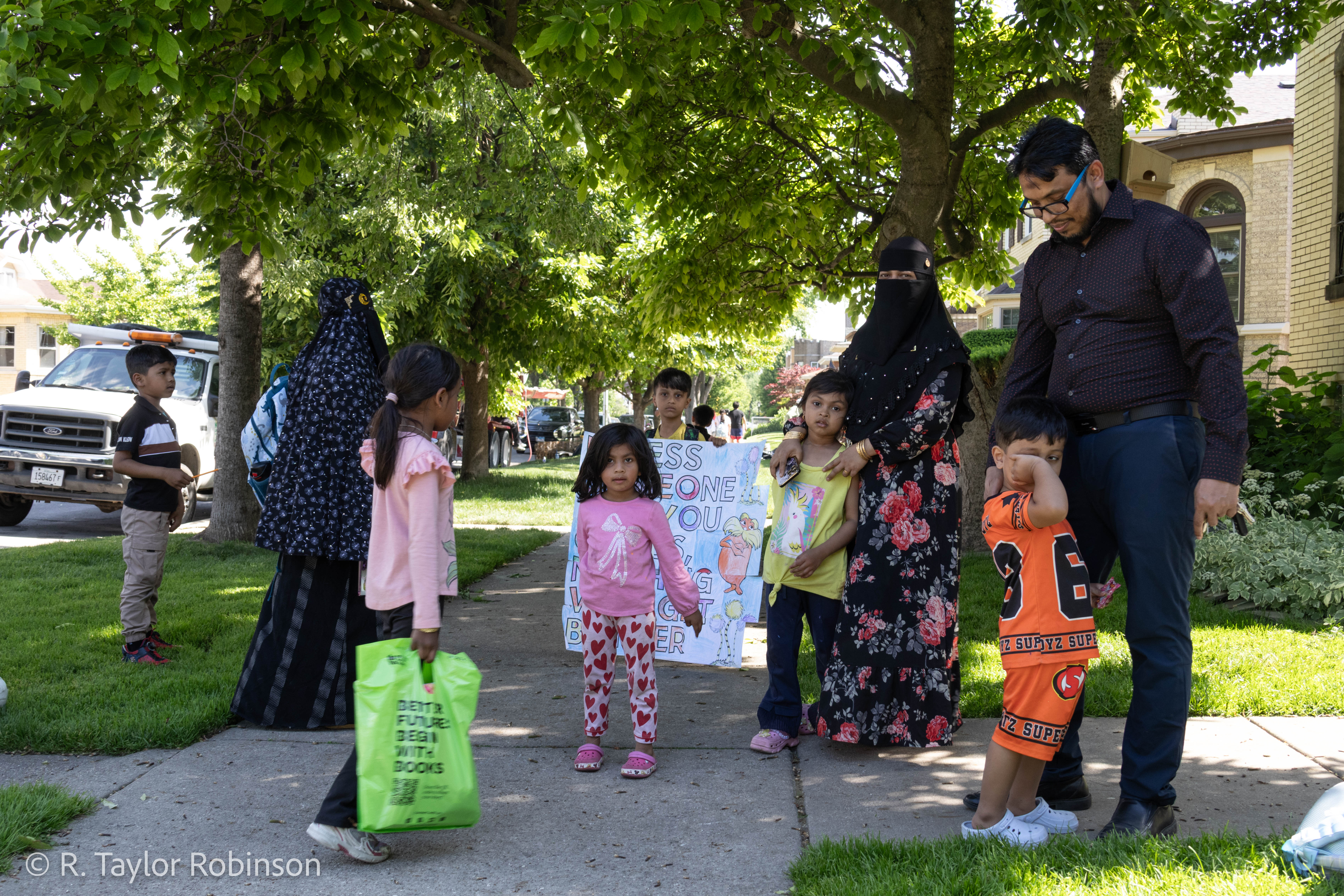
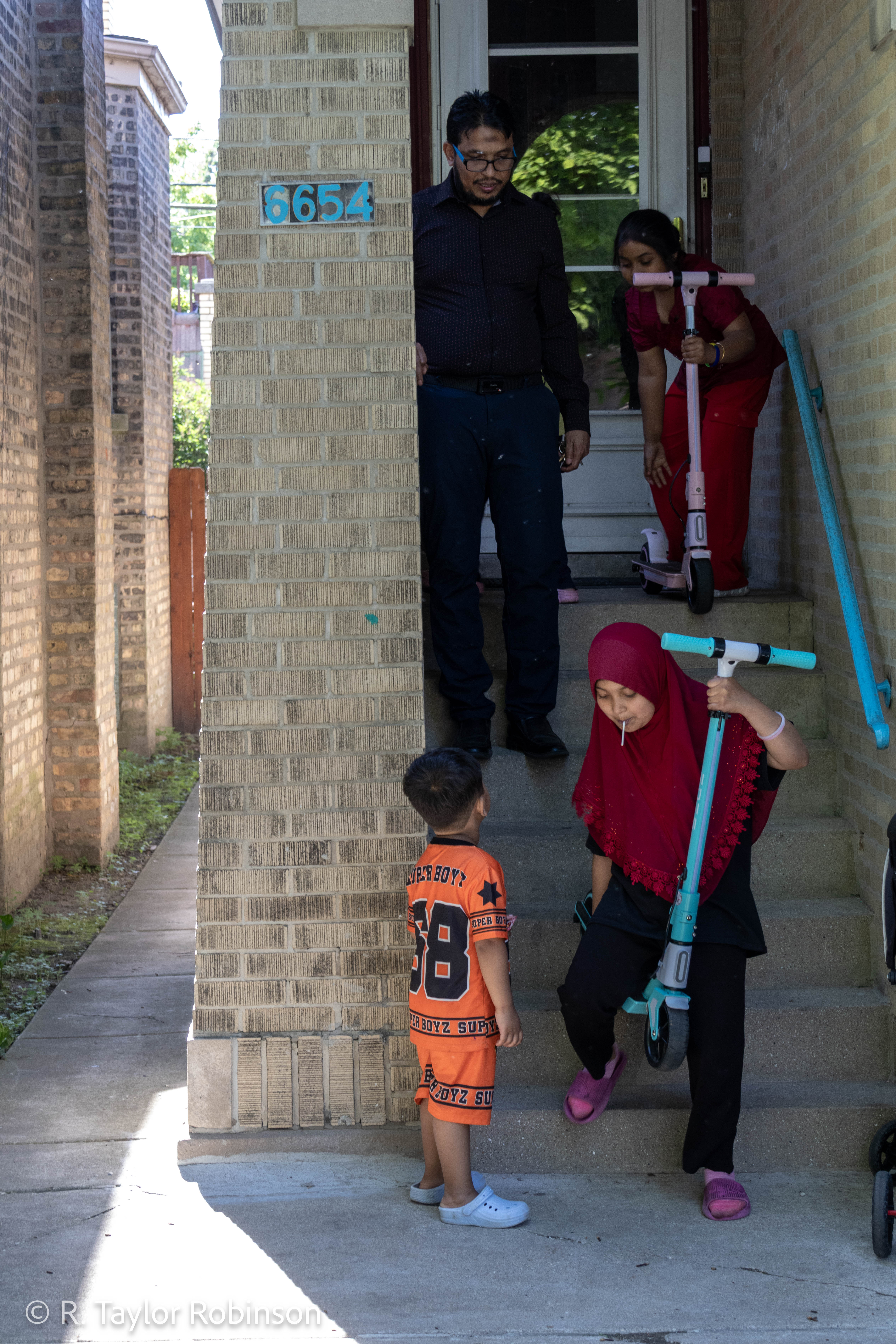
Kamal stands outside with his son Aziz, 3, shyly clutching his father’s leg, his wife Arafah stands behind him in a black hijab, her arms resting on the shoulders of their youngest daughter Jasmin, 5. In a deluge, dozens of children and mothers wearing hijab have materialized on the street outside of the school across from Kamal’s house.
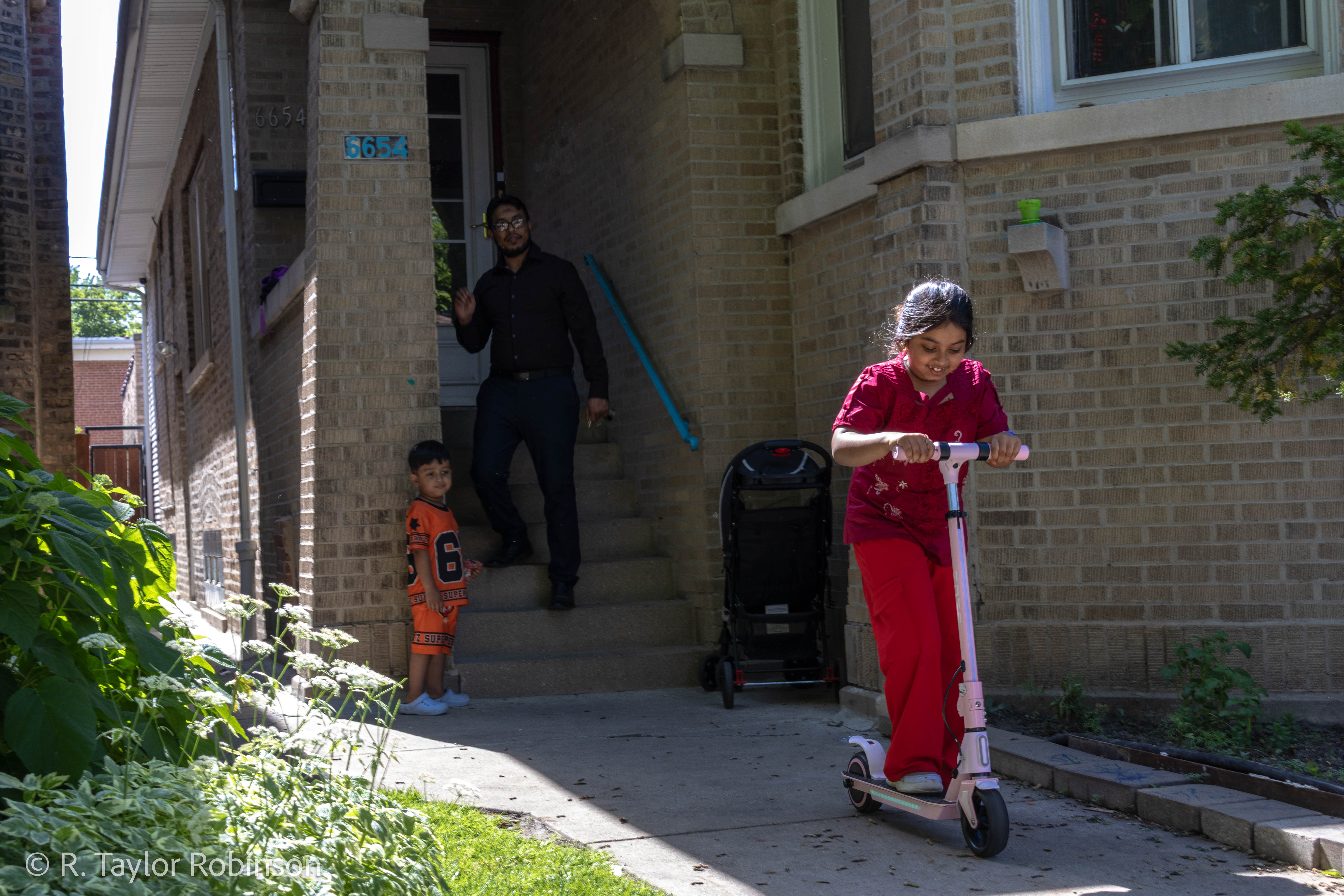
Kamal’s older two daughters, Tosmin, 8, and Yasmin, 9, grab their scooters from inside for an afternoon ride as Aziz looks up at his father. Kamal speaks nine languages now: Rohingya, Burmese, English, Bengali, Hindi, Urdu, Spanish, Tamil and Singhalis (from Sri Lanka). He said his experience as a refugee inspired him to help others the same way he was helped by a case worker when he arrived in New Hampshire in 2012.
Tosmin speeds ahead on her scooter leaving her father and brother in the dust. It is one of the hottest days of the year so far and the sun beats down heavily.
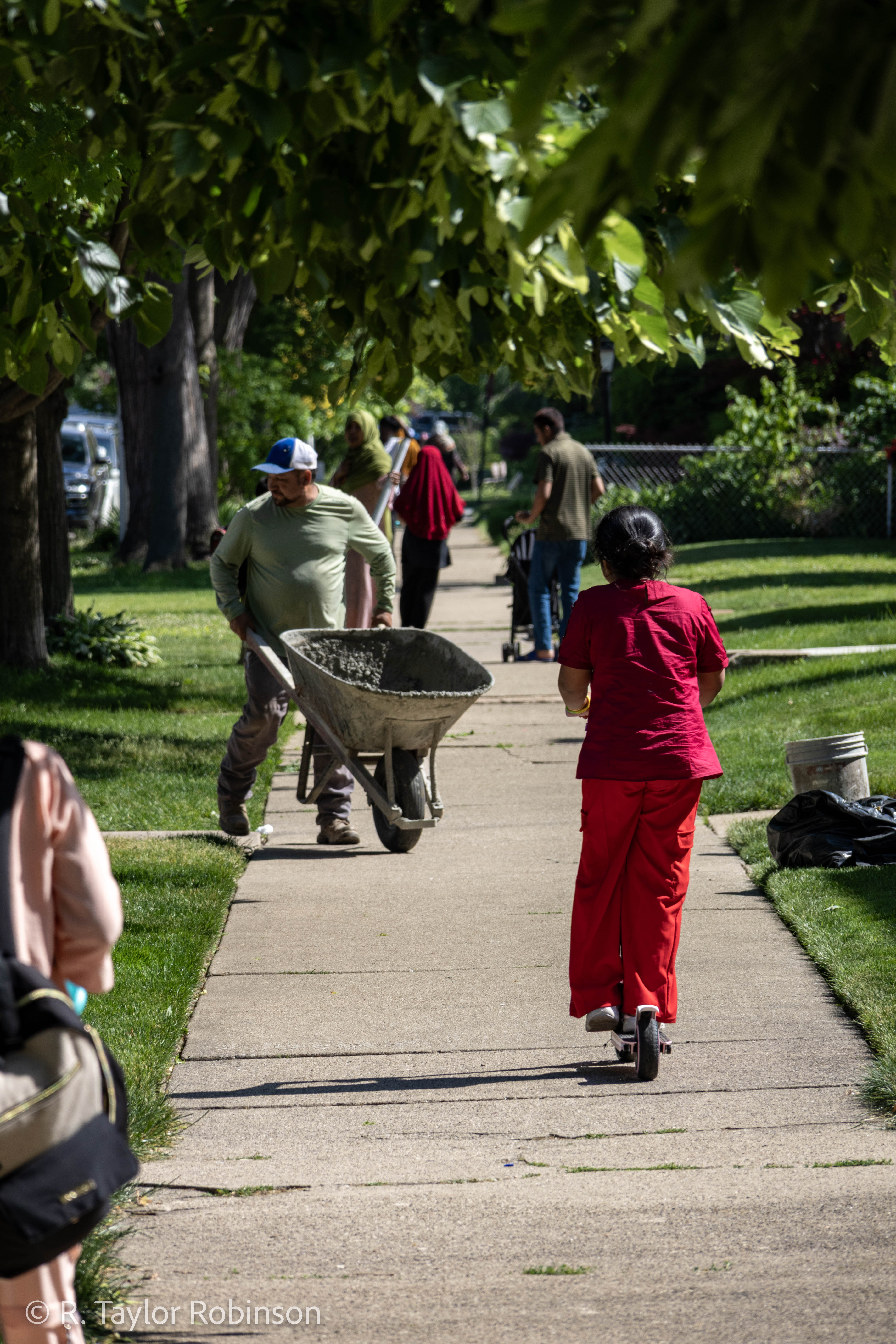
Tosmin and Yasmin ride down the sidewalk now littered with people working, playing and walking back from school. Kamal says chuckling that "maybe 50%" of the people living on this street are Rohingya.
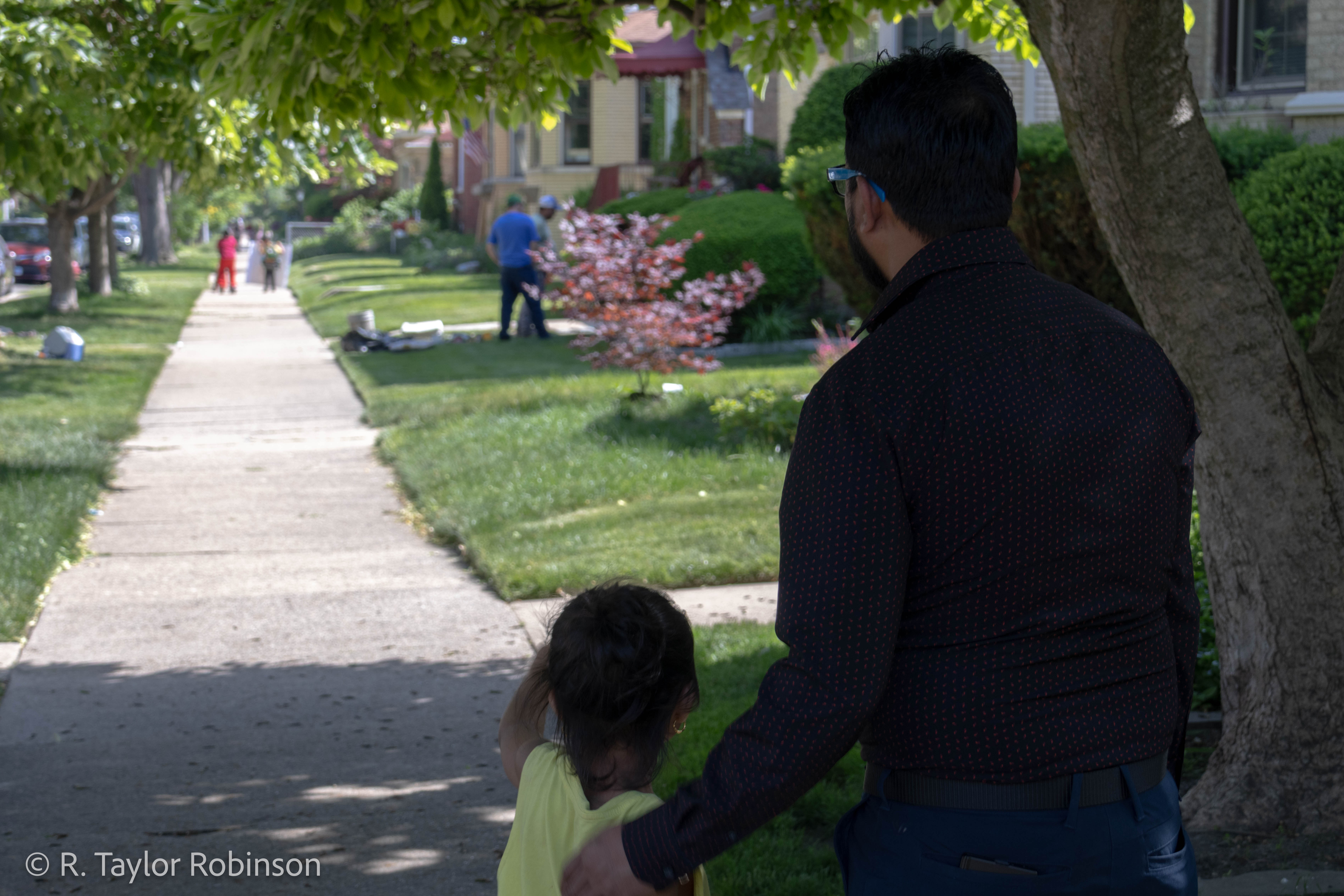
Kamal puts his hand on his daughter Jasmin’s shoulder as she points to her sisters down the street. In addition to his own home, Kamal also owns another building which he rents to other Rohingya people in the neighborhood. "This is the freedom country," he said. "You can do whatever you want, right? No one can stop you unless you're hurting somebody."

Windy City Iron & Metal

A typical day at Windy City Iron & Metal in Humboldt Park. An photographic exploration of the customers and employees of the scrap yard.
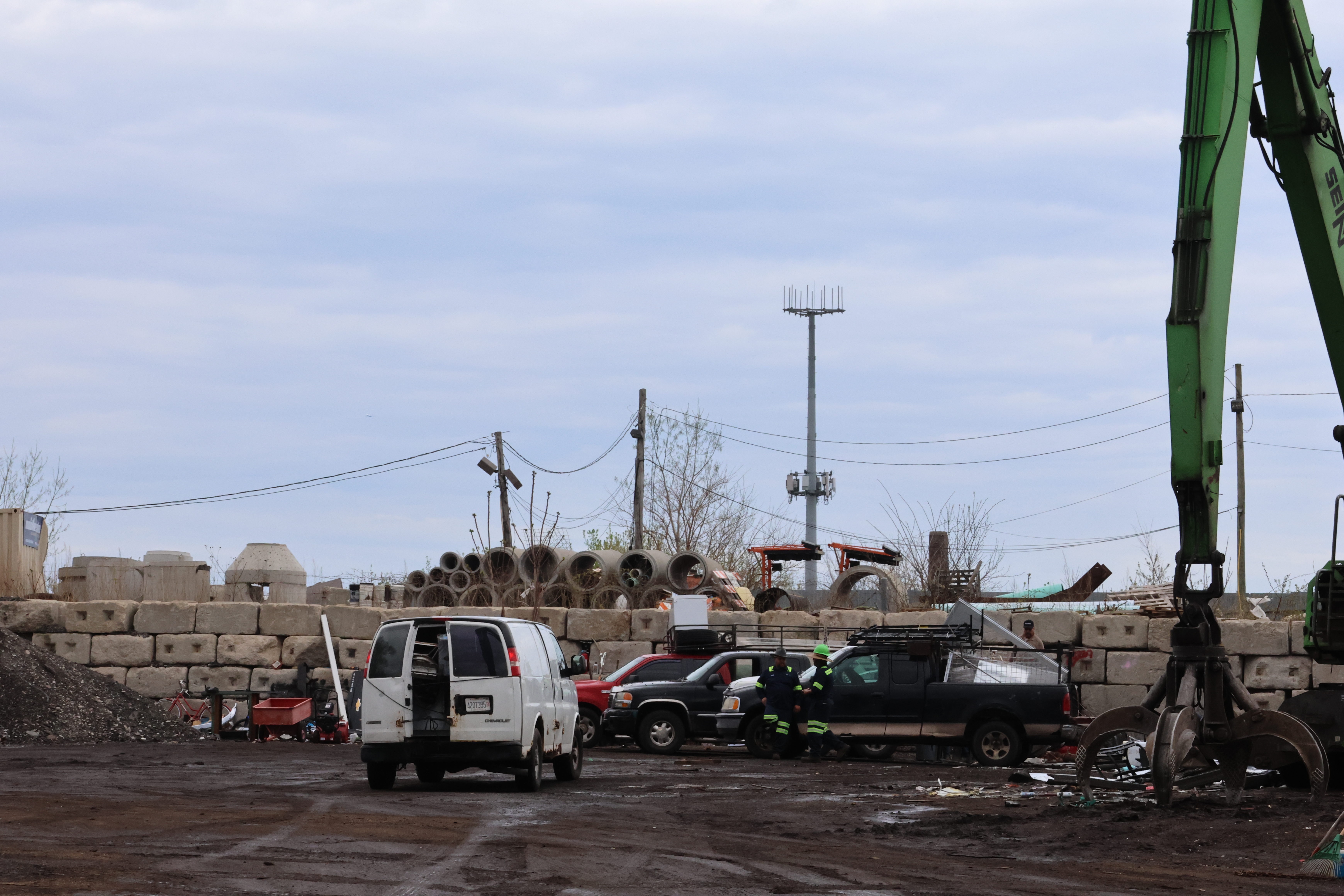
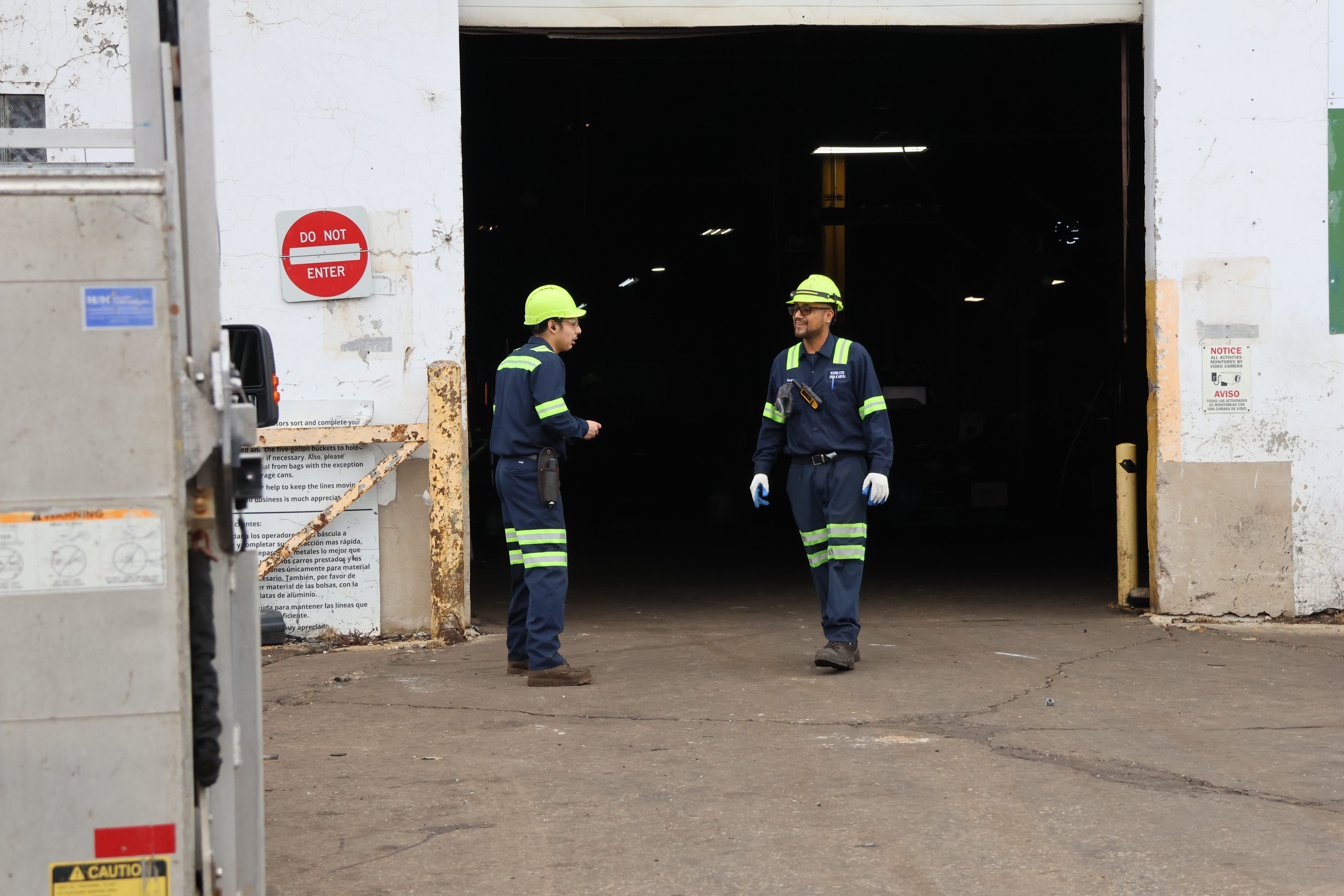
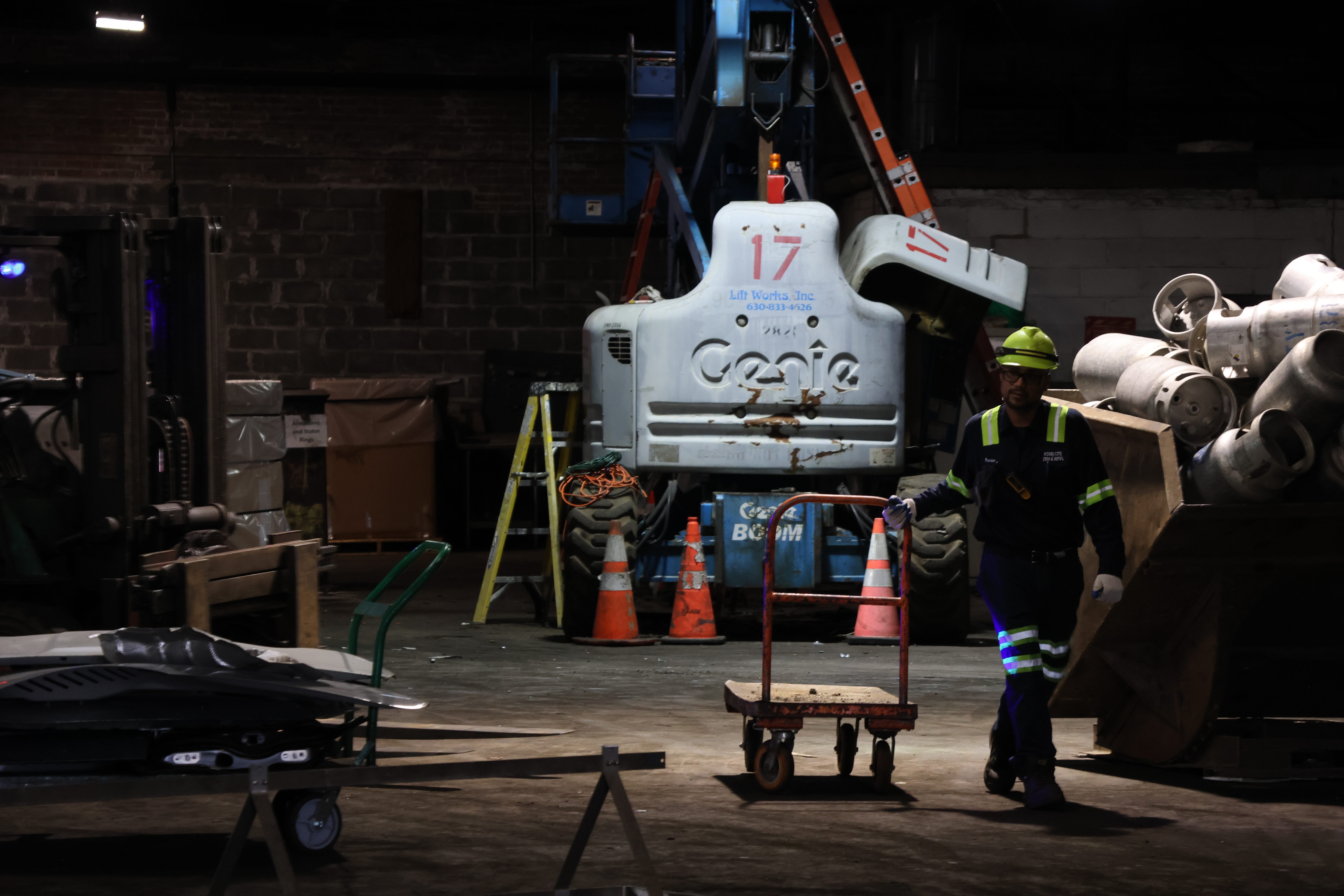
Two workers talk to each other in the yard of Windy City Iron & Metal in Humboldt Park Wednesday. The late afternoon sun had moved behind some clouds and the workday was coming to a close.
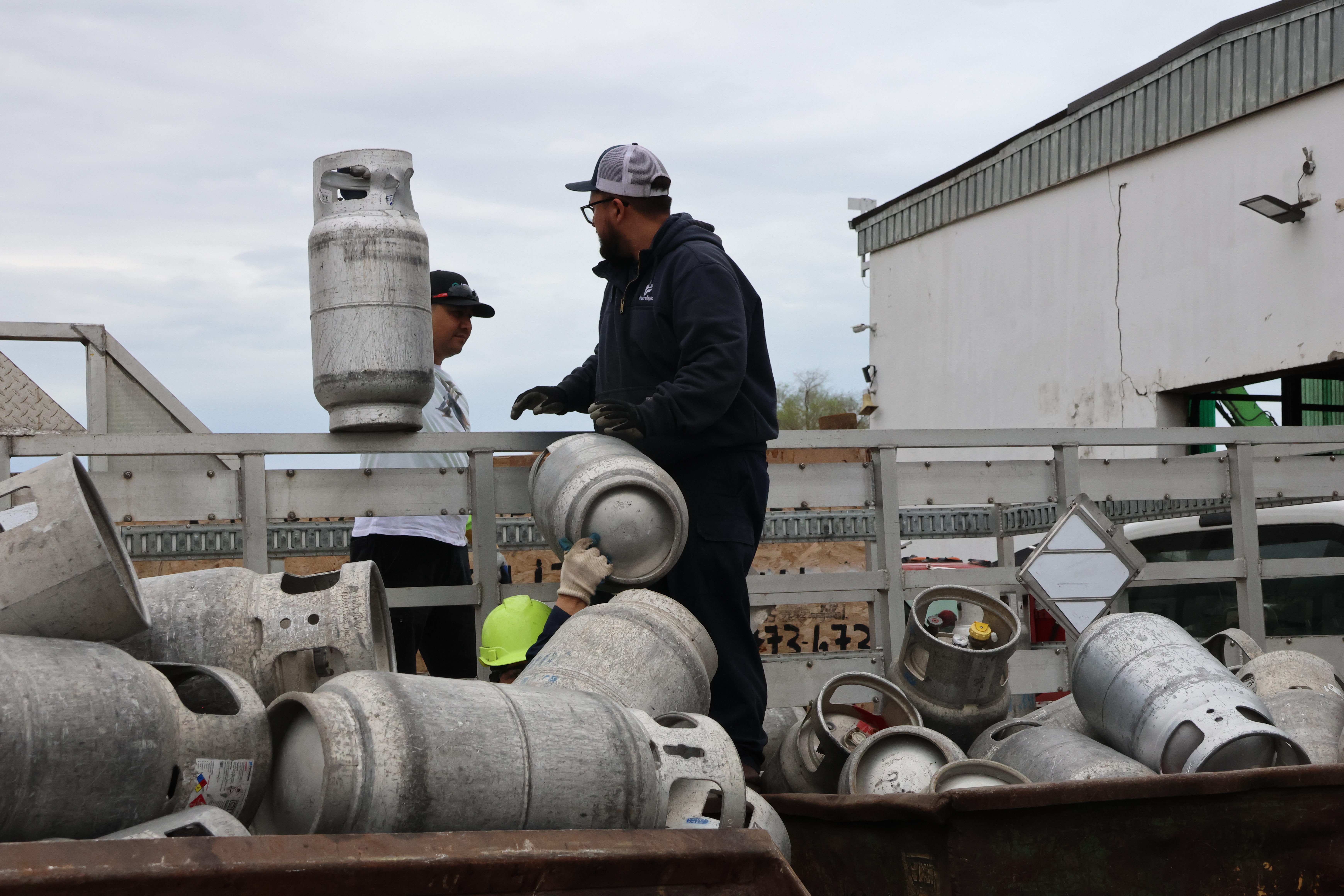
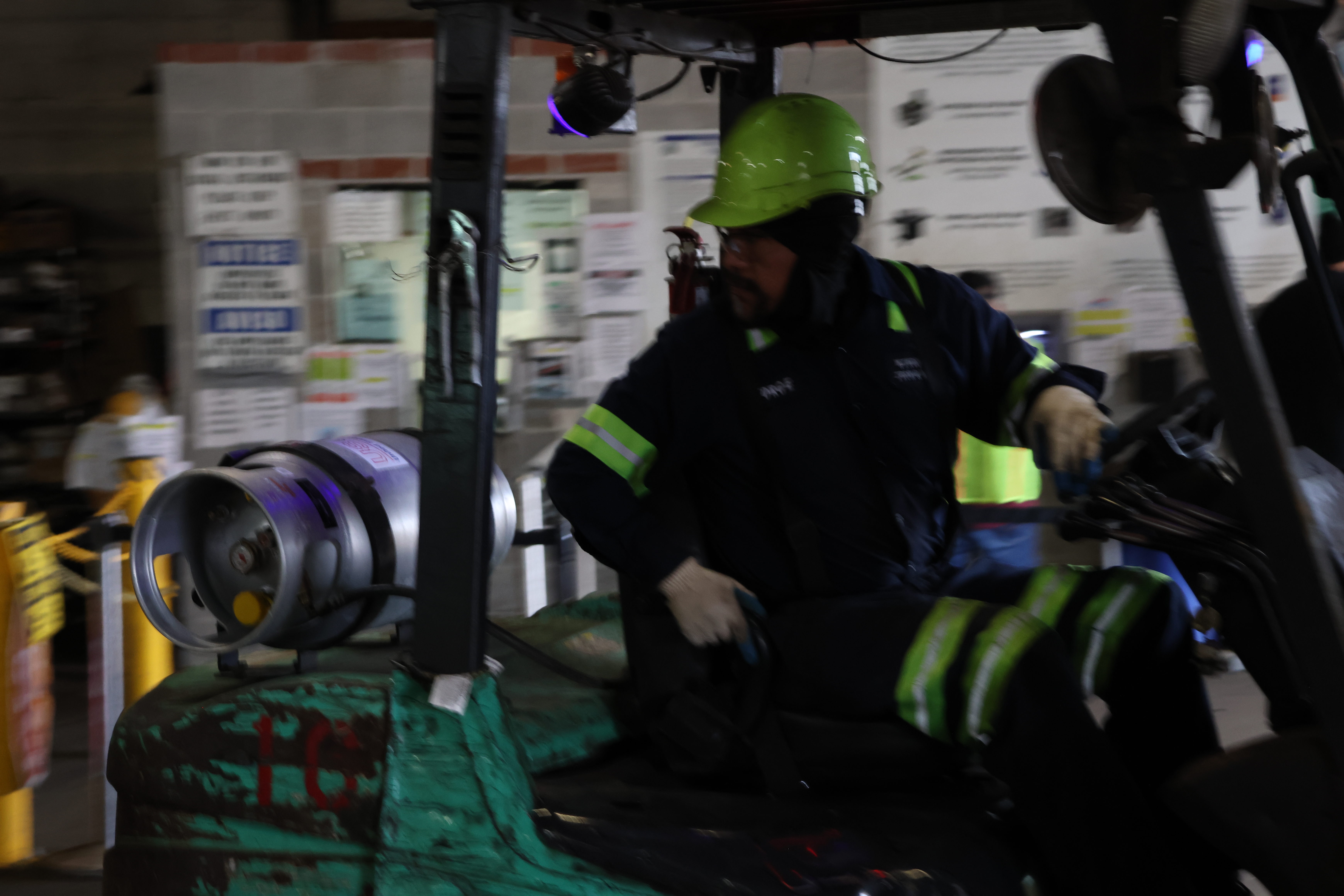
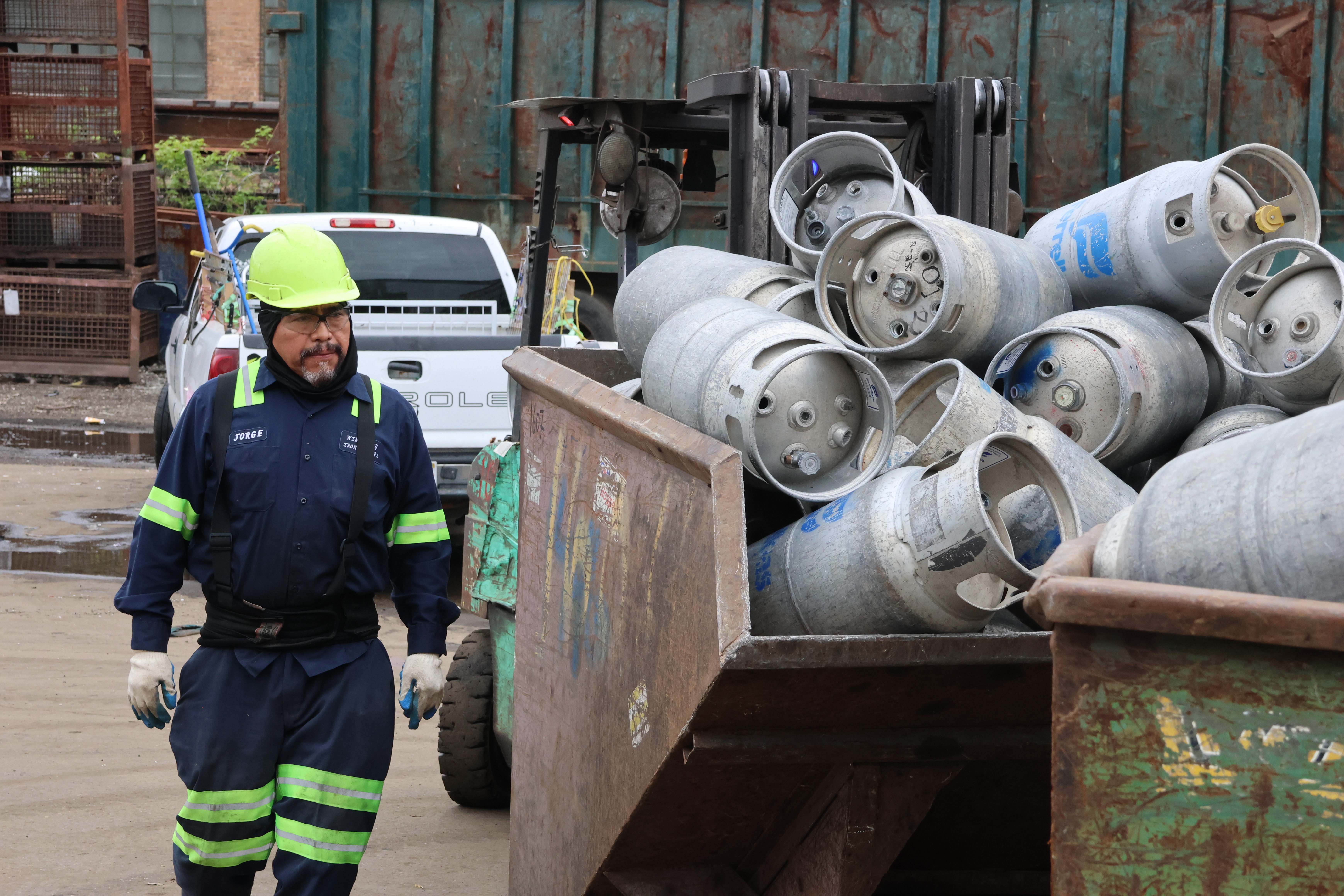
A forklift operator eyes the load of canisters he’s going to have to wheal into the back. Two customers of Windy City Iron & Metal are loading the bins with more canisters from a truck just out of frame.
The two customers finish emptying their truck. They hand the last two canisters to the forklift operator.
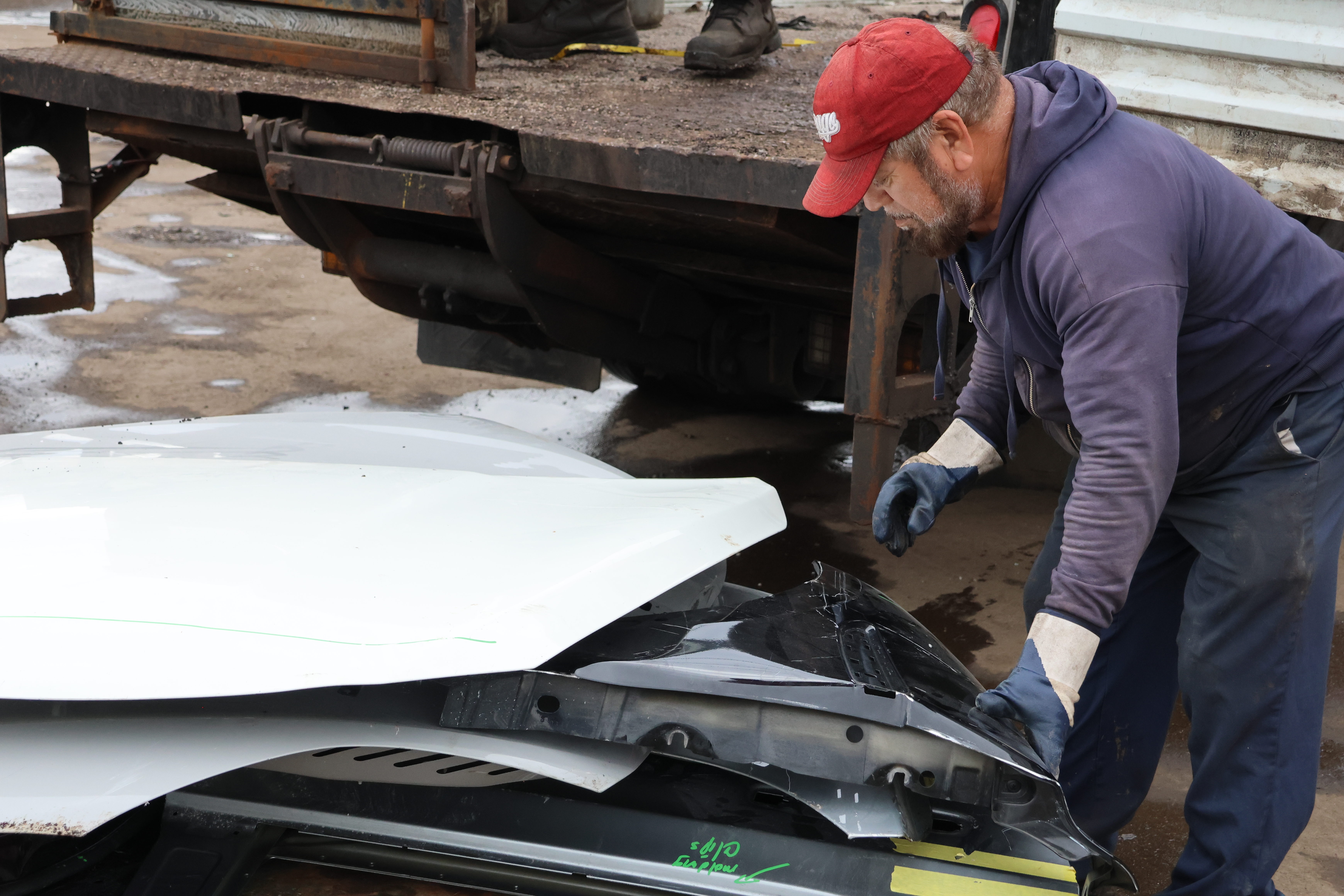
Fernando Florian, 70, a customer at the scrap yard, loads a cart with scrap metal such as car doors and engine hoods. His birthday is next month.
Fernando Florian Jr., 36, is Florian’s son and he goes by junior. He hands his father another piece of metal from the truck.
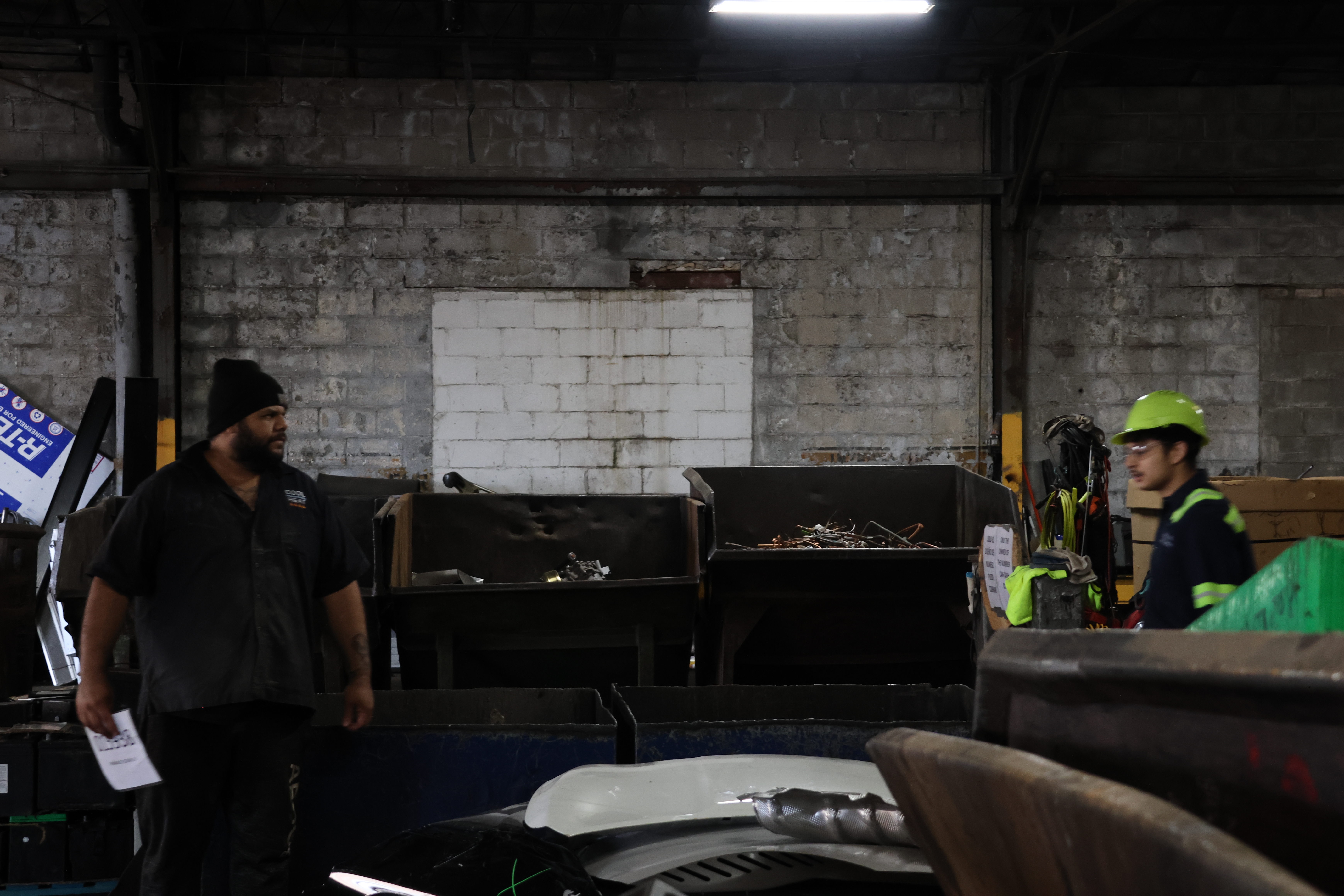
Francisco Pineda, another worker at Windy City Iron & Metal speaks with his coworker Angel Estrada, 19. Pineda likes to go by Pancho.
Pineda pulls a cart from the back of the main warehouse towards the front. He walks by the bins of canisters the forklift operator has been ferrying from the parking lot.
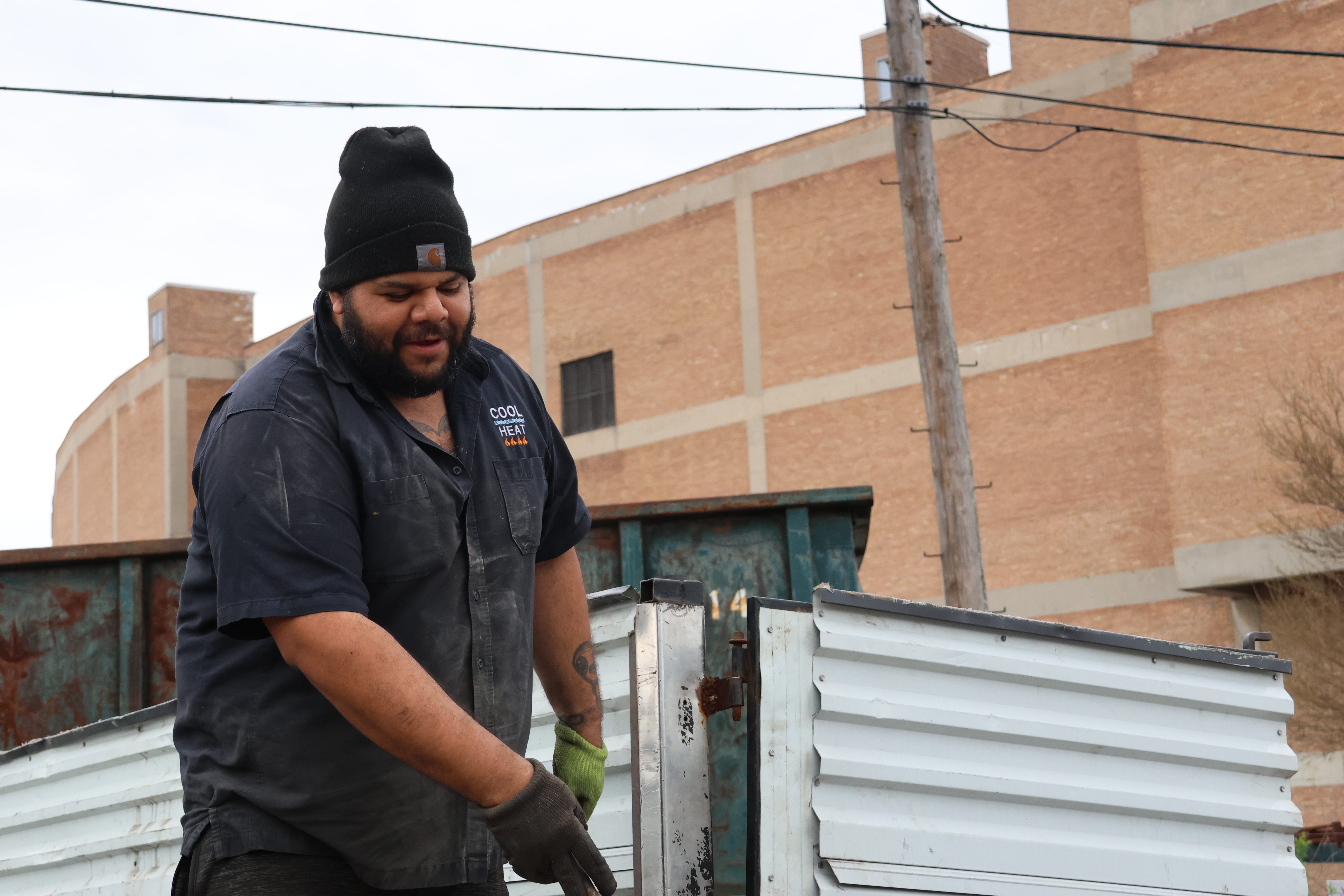
The forklift operator checks his trailer as he zooms past on his forklift. He is done ferrying the canisters.
Estrada weighs the Florians’ car parts as Junior holds his scrapyard membership card. Estrada has been working at Windy City Iron & Metal for two years. "I started right after high school," he said. "College wasn’t for me."
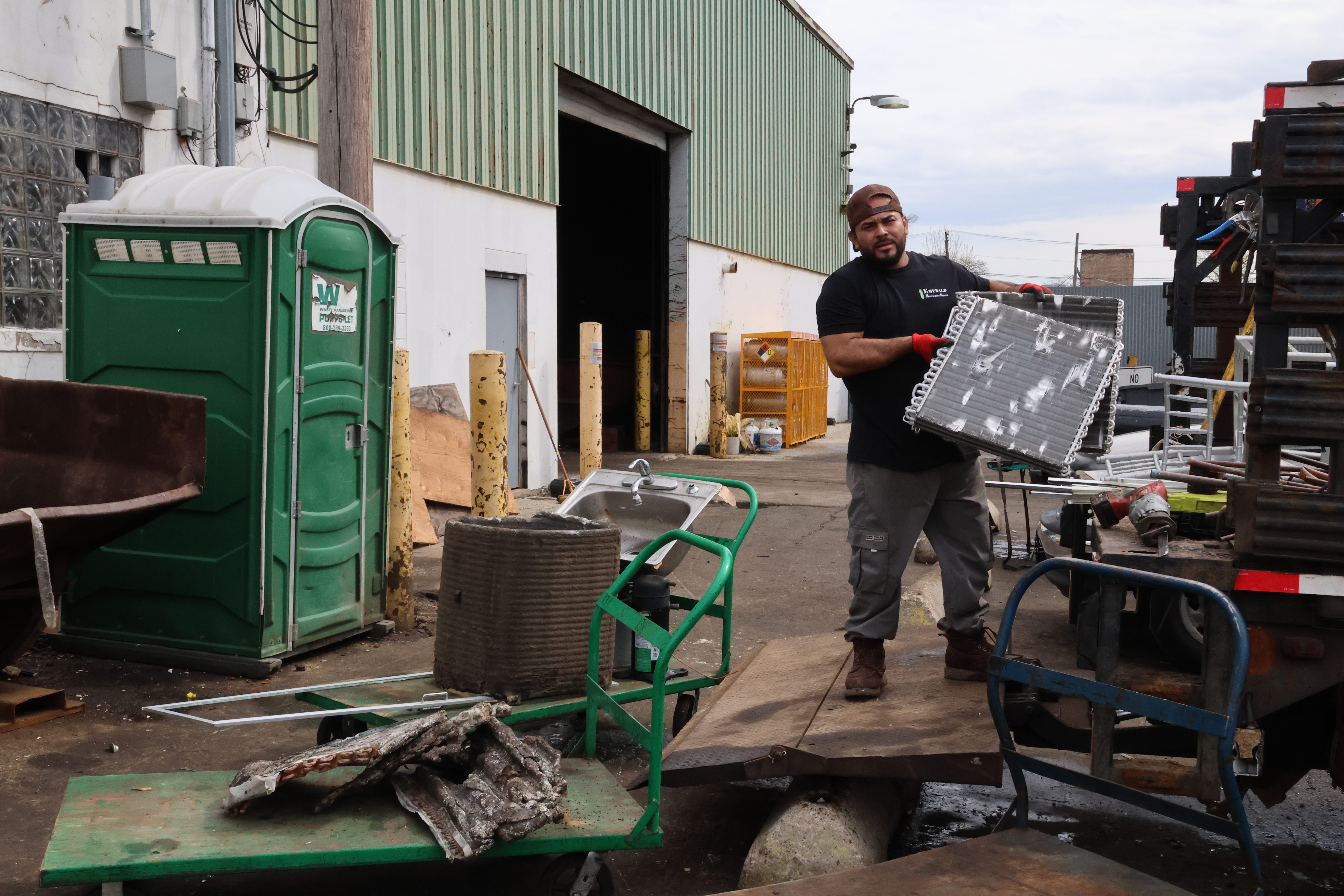
Ulises Juarez, 36, a customer at Windy City Iron & Metal, holds up two radiators to show the camera. When asked what he likes to do, he said he likes having dinner with his family.
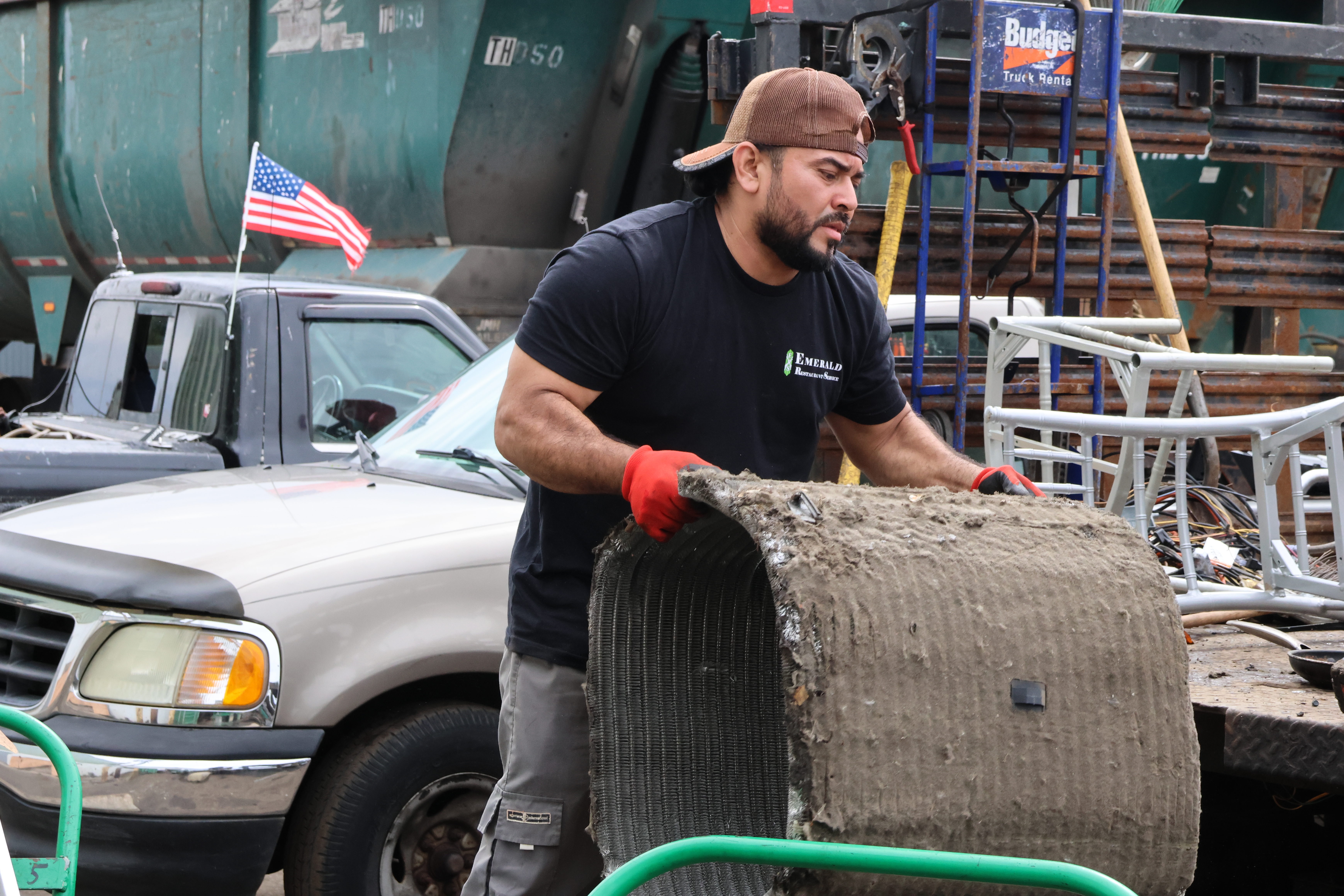
Juarez lugs another large piece of scrap metal from one cart to another. Juarez runs his own Youtube channel (@chapin4kjc467) where he shows pieces of his life: scrapping metal and other things people throw away, finding work in the US and Chicago and beautiful places in and around the city.
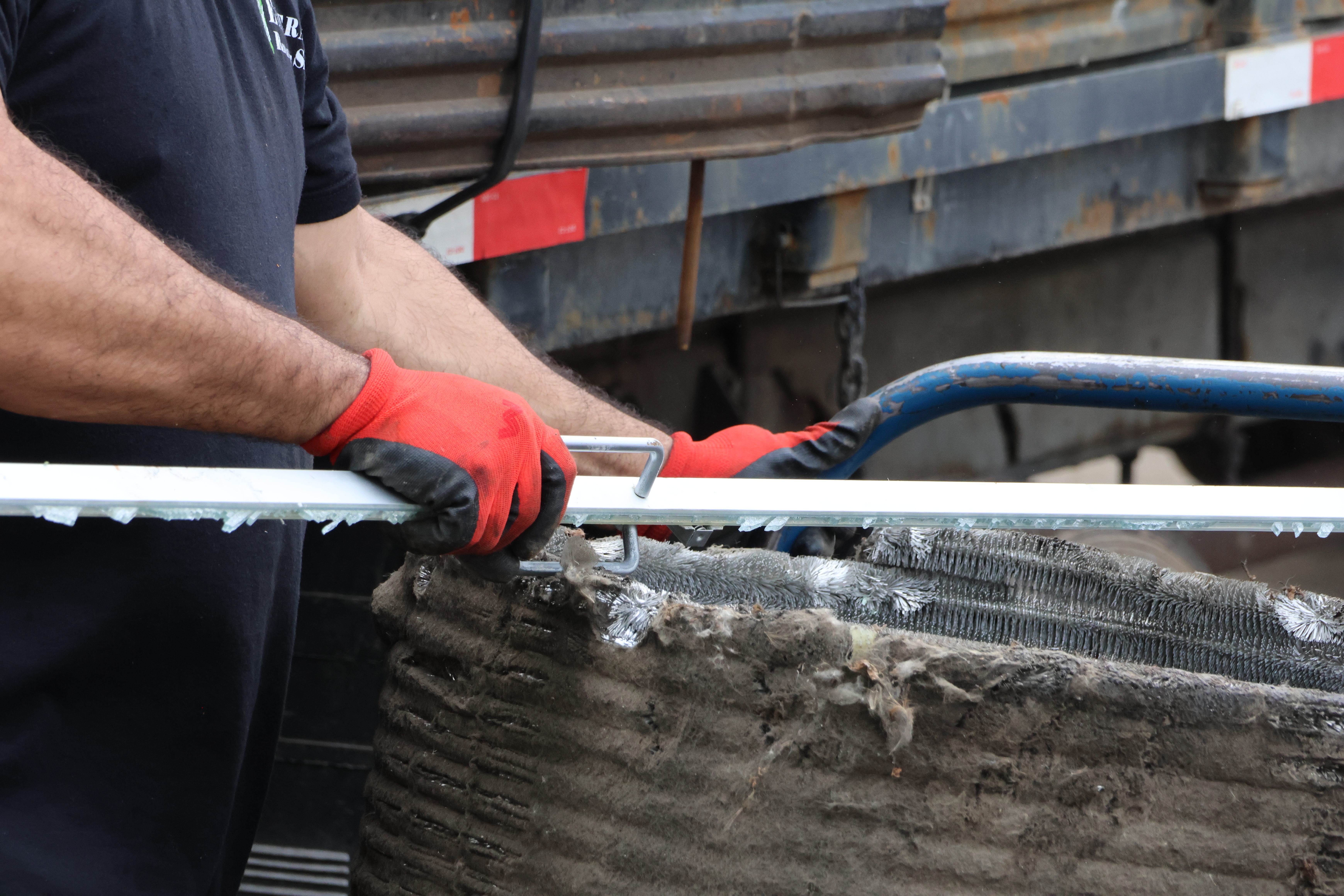
Juarez maneuvers a shattered glass door onto the cart. He said, for work, he does a bit of everything. "Work is work, man," he said. "Everyone around here, man, they work."